
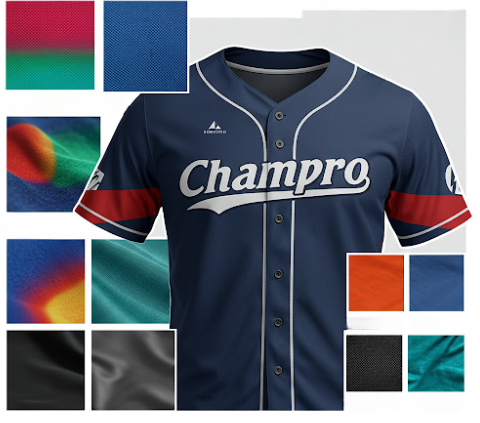
Choosing the right fabric for baseball uniforms can significantly impact your team’s baseball game performance, comfort, and style. Whether you’re outfitting a competitive league or a recreational youth team, understanding the differences between polyester and cotton fabrics is crucial.
In this detailed comparison, we’ll analyze their key properties—moisture wicking, durability, breathability, and more—to help you make an informed decision. Browse our quick reference baseball fabric chart for an in-depth look at the pros and cons of each fabric to find the best fit for your baseball team uniforms needs.
Quick Baseball Uniforms Fabric Comparison Table
| Feature | Polyester/Blends (e.g., Pro Mesh, Knit Blends) | Cotton |
|---|---|---|
| Moisture-Wicking | Excellent – quick-dry, sweat-repellent | Poor – absorbs sweat |
| Durability | High – shape & color retention | Low – shrinks, deforms |
| Breathability | Moderate to High (with mesh variants) | Excellent |
| Comfort | Smooth, professional, flexible | Very soft, hypoallergenic |
| Maintenance | Wrinkle-resistant, low-maintenance | Needs more care |
| Best Used For | Pro & high-level, long-term use | Casual/youth, low-stress |
Core Baseball Uniforms Fabric Comparison: Polyester vs Cotton
Performance & Moisture Management
Based on my experience, I recommend polyester and its blends for pro-level baseball. Their best quality is how well they wick moisture. This keeps athletes dry during tough games. For example, the Nike Vapor Premier fabric used in MLB uniforms dries 28% faster. It also stretches 25% more than older fabrics.
On the other hand, cotton baseball uniforms soak up sweat. This makes them heavy, wet, and uncomfortable for long games.
Durability & Shape Retention
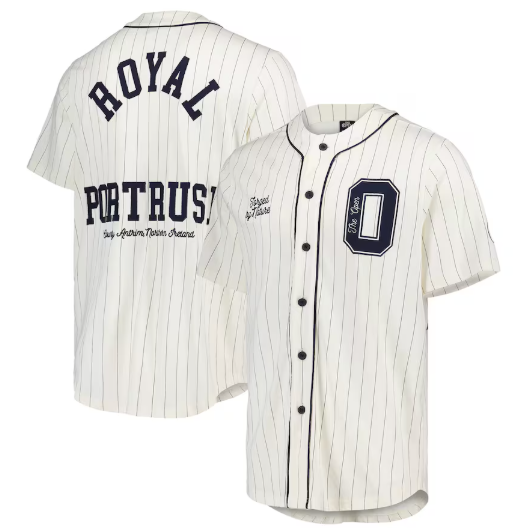
For competitive sports, durability is a must. I’ve found polyester baseball jerseys are built tough. They handle lots of washing, rough play, and bad weather while holding their shape. It doesn’t matter if it’s a heavy double-knit 12-14 oz. throwback jersey or a modern, light mesh jersey style. Polyester looks sharp and doesn’t wrinkle, so you won’t need to iron it.
Cotton is a poor choice for a long season because it shrinks and loses its shape after just a few washes.
Breathability & Comfort
I still like cotton for certain situations. It’s soft, lets air flow, and is hypoallergenic, which I find is good for players with sensitive skin. I suggest cotton for casual leagues or youth teams. In those cases, comfort is often more important than top-tier performance. But today’s polyester blends baseball jerseys are much better. They now use mesh panels, like in Pro Mesh fabrics. This adds airflow while keeping all the performance benefits of a synthetic material.
Final Takeaway
If you prioritize top athletic performance, I strongly recommend polyester. They are the only real choice. They handle tough games and always provide a professional look.
Cotton is soft and familiar, so it has its uses, just not for serious competition. From my experience, I suggest polyester blends for most teams. They give you durability, moisture control, and a modern style that lasts all season.

Related Reading: Where To Buy Football Jerseys In Paris
Which Fabric Is Best For Baseball Pants?
Why Polyester Is Best for Baseball Pants
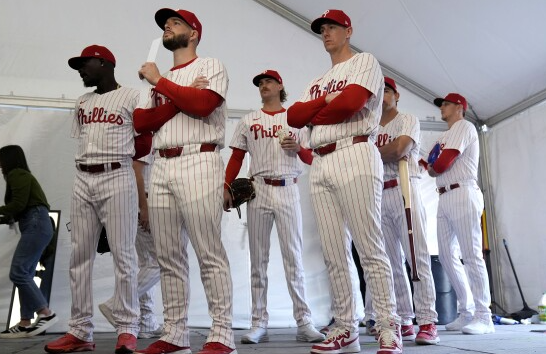
Double-knit polyester baseball pants are built to last. Think of Augusta Sportswear Youth Gamer Pull-Up Pants (12.7 oz) or the tough TEK-KNIT™ 14 oz pro pants. Based on my experience, these pants hold their shape and don’t wrinkle. They recover well after hard slides, which I’ve seen at both youth and pro games.
- Great durability and scrape resistance: If you’re a player who slides and dives a lot, you need pants that won’t rip midseason.
- Fast-drying and moisture-wicking:Top jersey maker like Under Armour® use special blends like Microthread fabric. This tech pulls sweat from the skin, which helps keep the pants dry and comfortable.
- Color and fit stay the same: They hold up well, even after many washes.
Nylon, Spandex, and Modern Hybrid Blends
Baseball is a game of constant movement. Players need to run, slide, jump, and stretch, and this is crucial in the infield. I find this is where modern fabric blends really make a difference:
Nylon baseball pants: These give you better durability for contact with the ground. I suggest them for players who slide hard and often. A nylon-polyester mix resists scrapes but still feels smooth.
Spandex Blends: These offer the flexibility needed for a runner to steal a base in a split second. Pants with spandex stretch with your body, allowing for free movement. I feel this is a huge benefit for catchers, shortstops, and outfielders.
Is There Still a Place for Cotton Baseball Pants?
Cotton and cotton blends are still an option. I know they are very breathable and feel super soft. Youth leaguers and casual players often like these qualities, mainly in hot weather. But from my experience, they can’t handle sweat like polyester can:
– Moisture gets soaked up, which makes the pants heavy and uncomfortable. I’ve seen that they just don’t feel dry during a game.
– They dry slowly and can shrink, so I don’t recommend them if you play hard or wash them frequently.
What Makes a Great Baseball Uniform Fabric?
Dri-FIT for Modern Baseball Uniforms
Its sweat-wicking tech helps players stay dry deep into a game. Dri-FIT is both lightweight and tough. More importantly, it’s just plain comfortable. Athletes praise its silky feel and great ventilation. You’ll see fewer sweat marks on players, and they feel fresh for longer. This is a huge advantage during a hot summer doubleheader.
Nike Vapor Premier: The MLB Standard
It’s used in the 2024 MLB jerseys. This fabric offers 25% more stretch. It also dries 28% faster than older versions. The material is made with at least 90% recycled polyester yarns. The result is a uniform that moves with the player. It wicks away sweat and lasts an entire tough season.
Mesh Variants
Intense games require good airflow. This is where Micro Net (Pro Mesh) fabrics are excellent. Based on my experience, their mesh design provides maximum ventilation and helps sweat evaporate fast. Technologies like Teamwork Athletic’s Cool Mesh and PolySpan use these panels. They let heat escape so players can move with less drag and distraction.
Airknit and Double Knit
In my opinion, some teams need tougher gear. That’s where Airknit comes in. It’s a heavier polyester with small pinholes for airflow. It offers a good mix of durability and breathability when protection is a priority. Then you have Double Knit. This fabric is thicker and woven to handle slides and dives all season without losing its shape. It weighs around 10–12 oz per sq. yard. These jerseys are almost indestructible. You often see them used for retro baseball uniforms or when the look is important.
Poly Knit and Stretch Blends
They are soft, durable, and flexible when you’re pushing hard. You’ll see these blends used from high school up to college teams. They hold up well to washing, wear, sun, and sweat. Adding stretch options like PolySpan, UltraFlex, or Dynamic’s Aerofiber gives you total freedom of movement. This four-way stretch is perfect for making those big plays.
Why Cotton Still Has a Place in Baseball Uniforms
Everyday Comfort & Breathability for Casual or Youth Leagues
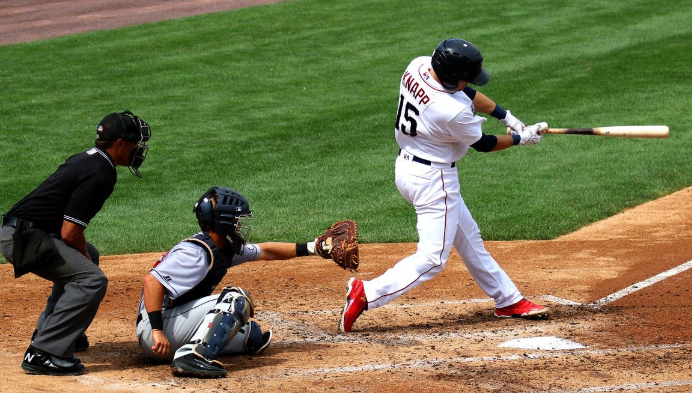
For games that are less intense, I believe comfort is the top priority. Cotton baseball jerseys are soft and breathable. Younger players and rec teams always seem to like them. Leagues choose cotton for a few reasons. It is affordable, feels great on the skin, and gives off that classic baseball feel that many players love.
- Little League and Rec Teams: Cotton is simple to dye and customize. This makes ordering and adding logos on baseball uniforms easy. It’s a great choice for teams that don’t need high-tech fabrics.
- Great on a Budget: Cotton uniforms are less expensive. This means you can get uniforms for more players without spending a lot of money.
A Game-Changer for Sensitive Skin
Cotton is also a huge help for players with sensitive skin because it is hypoallergenic. If you have players with skin issues like dermatitis, I suggest using high-quality or organic cotton. My research shows organic cotton doesn’t have synthetic chemicals. This lowers the chance of skin irritation. Think about it: cotton is used for baby clothes and medical gauze. This tells me that it is a safe choice for protecting skin.
Keeping Baseball’s Classic Look Alive
It was the main fabric used in baseball’s first years. Many teams today still choose it for that traditional feel. This is clear in the market. Cotton uniforms still sell well, mainly to amateur and semi-pro baseball teams.
I’ve noticed teams that want a “throwback” look often choose cotton. They like its familiar feel and how it hangs. Cotton is more than just style. It does a great job of controlling body temperature. It keeps players comfortable on warm summer nights or during cool spring games.
Data Points & Sustainability Wins
Absorbency: Cotton fibers can absorb up to 27 times their weight in water. This is enough for most games and keeps players comfortable.
Good for the Planet: Organic cotton creates less waste. Its production uses 62% less energy and 88% less water than regular cotton. I think this is a great way for teams to show they care about sustainability.
Baseball Uniform Market Insights & Performance: A Numbers-Based Look
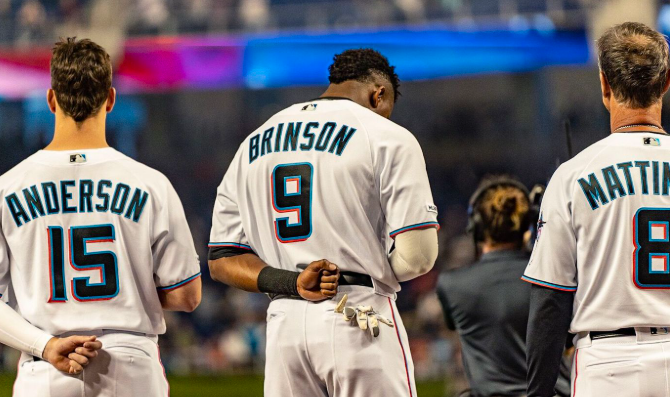
Picking the right fabric for baseball uniforms is a big decision. The debate often comes down to polyester blends versus cotton. From my experience, the data tells a clear story. I’ll break down the numbers, performance facts, and what teams are using on the field.
Market Share & Fabric Popularity
- Polyester is the clear leader. Sales reached $1.25 billion in 2024, with a solid 4.5% CAGR. In my opinion, this is because it offers what teams want most. It’s durable, lightweight, and great at wicking moisture.
- Cotton is a more traditional choice. It brought in $0.65 billion (CAGR 3.6%). I see teams pick it when they prefer comfort, airflow, and a classic look. The downside is that it holds sweat and doesn’t last as long in tough games.
- Polyester-cotton blends are becoming more popular. They’re for teams who want the best of both worlds. I recommend them for getting polyester’s strength and cotton’s softness. You can also customize them for more stretch or better temperature control.
Performance Properties by the Numbers
| Fabric Type | Durability | Moisture Control | Breathability | 2024 Market Revenue | Most Common Uses |
|---|---|---|---|---|---|
| Polyester | High | High | Med-High | $1.25B (CAGR 4.5%) | Pro, amateur, youth leagues |
| Cotton | Medium | Low | High | $0.65B (CAGR 3.6%) | Rec leagues, comfort-first teams |
| Poly/Cotton | High | Med-High | High | Not specified | Custom blends, semi-pro teams |
| Nylon | High | High | Medium | $0.98B (CAGR 4.2%) | Support panels, secondary material |
| Spandex | High | High | Medium | $0.76B (CAGR 3.9%) | Compression wear, stretch inserts |
| Wool | High | Medium | Medium | $0.41B (CAGR 3.4%) | Retro/uncommon specialty jerseys |
Real-World Adoption Across Teams
I’ve noticed every MLB team now uses a high-performance polyester. They use custom blends designed for quick movements and sweat management. From what I’ve seen, Youth and Amateur Leagues often pick standard polyester, cotton, or a blend. Their choice depends on their budget and needs. Some value performance over comfort.
More teams are requesting uniforms made with Blended Fabrics like polyester-cotton or those with stretch. I suggest these because they can be customized for a better fit or specific functions. You can add spandex for more flexibility or mesh for better airflow. Nylon and Spandex are used as secondary fabrics. You’ll find them in compression shorts or stretch panels.

Related Reading: Top 8 Leading Custom Jersey Makers In Uk
Conclusion
After weighing all the data and real-world performance, I’m convinced that choosing the right fabric can make or break your season. Whether you’re coaching Little League or managing a competitive team, your uniform fabric directly impacts how your players feel and perform. I’ve seen teams transform their game simply by switching to moisture-wicking polyester, while others find their sweet spot with cotton blends. The key is matching your fabric choice to your team’s specific needs, budget, and playing intensity. Trust me, when your players feel comfortable and confident in their uniforms, it shows on the field.
If you want custom different fabric baseball jerseys, need more information about wholesale baseball uniforms, or want to order baseball uniforms in bulk, please visit Ballsjersey or contact us at [email protected].