

In professional ice hockey, high-speed skating, intense scrimmage, and razor-sharp blades constitute the daily grind of the game, and athlete safety is always paramount. Recent breakthroughs in cut protection technology have made professional hockey uniforms no longer merely a symbol of team identity but also a crucial piece of equipment protecting athletes.
This article will provide an in-depth analysis of 5 cutting-edge cut-resistant materials used in pro hockey jerseys—from classic Kevlar to innovative Cutlon® and Kozane® Pro—to help team managers, purchasing decision-makers, and professional athletes gain a deeper understanding of these hockey jersey materials’ technical characteristics, core advantages, and application scenarios. Whether you’re customizing hockey uniform for your team or seeking a higher level of protection, this guide will provide you with a scientific and reliable reference.
List of 5 Types of Cut-Resistant Materials
|
Material |
Key Benefits |
Typical Uses |
Key Properties |
|---|---|---|---|
|
Kevlar |
High cut/abrasion resistance |
Socks, gloves, undershirts |
Tough, less flexible |
|
Dyneema/Spectra |
Lightweight, flexible |
Base layer, socks, wrist guards |
Very strong, breathable |
|
Cutlon® (TILO) |
Top-rated cut protection, antimicrobial |
Neck guard, base layers |
15x stronger than steel, comfortable |
|
Kozane® Pro |
4-way stretch, high cut resistance |
Socks, gloves, skin suits |
ANSI A6 rated, breathable, lightweight |
|
Cut-Tex PRO/Aramid |
Superior cut resistance, comfort |
Neck/wrist guards, shirts |
Used with foam, flexible |
Related Reading: Top 9 Custom Volleyball Jersey Manufacturers in the USA
Hockey Jersey Core Materials Compared
Polyester: The Gold Standard
I believe polyester is the main fabric in pro gear for a good reason. It is very durable and pulls moisture away from the skin. That is why over 90% of official NHL jerseys use advanced polyester or its blends. This allows players to move freely and stay dry, even as the game gets intense and they start to feel tired. If there is one workhorse fabric in hockey, this is it.
Polyester-Spandex Blends
For skaters who want comfort and quick response, I suggest polyester-spandex blends. Adding up to 15% spandex or elastane gives these jerseys amazing stretch and flexibility. You can see these on fast wingers who need gear that moves with them. They offer a custom-like fit but are still tough enough for game-day battles.
Air-Knit Pro-Weight Polyester
For the toughest situations, I recommend air-knit, pro-weight polyester. These jerseys weigh up to 200 GSM and provide what many call “real-world armor.” The thick fibers absorb impacts from sticks and sharp skate blades. They also manage sweat very effectively. Based on my experience, it’s a heavy-duty material but it doesn’t sacrifice breathability.
Mesh Fabrics
A cut-resistant jersey should not cause a player to overheat. This is where mesh panels are useful, particularly in hot zones like underarms and side panels. From what I’ve seen, good pro jerseys use mesh between 150 and 200 GSM. This allows for great airflow but is strong enough to prevent snags in board battles. This focused breathability keeps players cool and sharp.
Elite Performance Technologies
Modern jerseys are more than just fabric stitched together. I am impressed by coatings like Dri-FIT, CoolMax, and silver-infused ProCool® Dri-QWick™ Mesh CoolMax. Think of materials with silver woven in to fight bacteria and odor. These fabrics can also take a beating and many machine washes at 150-200 GSM. Features like these, along with chemical-free finishes (no PFOS or PFOA), are now standard on high-quality gear.
The 5 Most Common Cut-Resistant Materials Used in Pro Hockey Jerseys
Kevlar
This synthetic fiber is five times stronger than steel. But it’s still flexible, so you can move like an athlete. It’s layered into neck guards, sleeves, and socks. This is right where skate blades can cause the most damage. Big brands and NHL trainers use Kevlar all the time. They put it in base layers and shirts that protect the neck but don’t restrict movement. Even with its incredible strength, Kevlar is light. It adds no extra weight, just peace of mind.
Dyneema
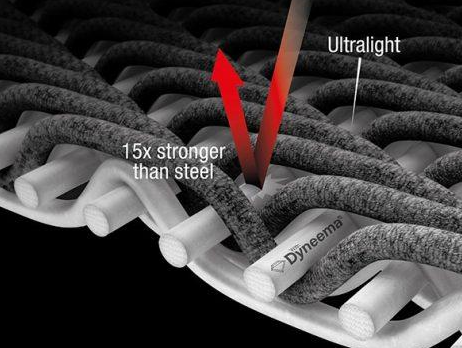
Dyneema is the new rookie making a big impression. This fiber is a step up. It’s fifteen times stronger than steel by weight. It’s even stronger than Kevlar in some tests. The best part? You almost can’t feel it. The material floats on water and breathes well. It disappears under your gear. I’ve seen the best socks and sleeves use Dyneema. They give you great cut protection without slowing you down at all.
Cutlon
Cutlon is a game-changer in new cut-resistant tech. I personally recommend Padloc shirts and sleeves, which use Cutlon. This material is fifteen times stronger than steel, just like Dyneema. I suggest Cutlon for full protection on wrists and calves. It’s excellent at stopping direct blade impacts. This material is tough. It gives you coverage exactly where you need it, every single game.
Kozane® Pro
Kozane® Pro is one of them. It’s a special three-layer knit. It weighs only 345 grams per square meter. That sounds light, but it provides serious protection. It has an ANSI ASTM F2992-15 cut-resistance score of A6. In my opinion, that’s the gold standard for safety. It has a soft polyester liner for comfort. The fabric also has a four-way stretch that moves with you.
Proprietary Blends
The best jerseys layer different materials. They blend aramid, Dyneema, Spectra, and special polyesters. These special blends give you the best of both worlds. You get high cut-resistance, a great fit, and good moisture control. And you don’t lose any flexibility. I see this in gear like CCM’s A6-level pants and Warroad’s Tilo shirts. Even the best neck guards use these blends. Each piece mixes strong synthetics to handle the demands of pro hockey.
Key Hockey Jersey Fabric Properties and Technology
Reinforced Durability
These fabrics give you 27% more burst strength. They also have a 72% increase in abrasion resistance compared to older versions. I’ve seen skate blades fly up in a corner battle, so I know this toughness is vital. The fabric is made to survive contact. It resists sharp impacts that would destroy normal synthetic materials.
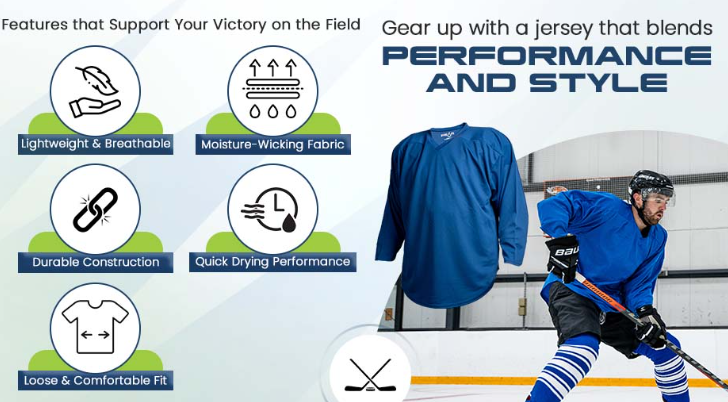
Lightweight Design for Maximum Mobility
Extra bulk will slow you down on the ice. I like that modern designers remove every unneeded ounce. New cresting and number materials cut the total weight by up to 19%. Crests alone are now 46% lighter, and jersey numbers are 60% lighter. This results in a jersey that moves with you.
Pro-Grade Moisture Management
The best jerseys use patented permanent moisture-wicking technology. This isn’t a simple coating; the feature is built into the fiber. The jersey pulls sweat from your skin to where it can evaporate. This effect lasts wash after wash. It keeps you cool and dry, no matter how hard you play.
Ventilation and Intelligent Cooling
Proper airflow is a science. With ventilation zones, mesh panels, and air permeability up to 133% higher than basic mesh, cooling is much better. Designers add mesh to “hot zones” like the underarms. This releases heat without losing any fabric strength.
Stretch, Shape Retention, and Anti-Snag
When you are getting grabbed in front of the net, stretch is important. That’s why materials include spandex. It is woven directly into the fabric. The jerseys fit the body well and snap back into shape. This makes it harder for an opponent to hold you.
Eco-Conscious Materials and Antibacterial Tech
I am happy that teams now use recycled polyester from old bottles. This material offers the same great performance with a smaller impact on our planet. Newer blends also resist bacteria and stains. This makes your equipment cleaner and easier to care for. You can spend less time scrubbing and more time on your game.
Customization and High-Tech Fashion for 2025
The future is here now. I am excited to see lab-enhanced mesh and powerful moisture-wicking fabrics. New color options like neons and metallics look great on and off the ice. Teams can get jerseys that perform well and look sharp. You get your favorite team’s classic style but with next-generation technology.
How Cut-Resistant Materials Are Used in Pro Hockey Gear
Cut-Resistant Neck Guards
In my experience, the neck is one of the most vulnerable spots in hockey. I recommend modern neck guards like the Warroad Tilo Padloc Cut Resistant Neck & Wrist Shirt. They use cut-proof zones in targeted areas. This reinforces the spots most at risk for dangerous skate cuts. This is gear you can rely on when a split second matters.
Socks and Compression Pants
The legs and calves take a beating. For this, I suggest products like CCM Cut Resistant Compression Hockey Jill Pants and Jock Pants. They use ANSI A6-rated fabrics where skate blades are most likely to strike. These pants give you protection and have an anatomical compression fit. They move with your body, letting you play hard without distraction.
Sleeves, Wrist Guards, and Base Layers
Wrists and lower arms require their own security. I find that base layers made with proven cut-resistant fibers cover the gaps that traditional gear can leave behind. This reduces exposure to accidental blade contact.
Socks Built for the Pros
Kozane® Pro socks have earned a place at the highest levels and are trusted by Canadian league players. They weigh 345g/m², give you level A6 cut resistance, and offer a soft, four-way stretch.
Elite Fabrics for Extreme Scenarios
Titanotex™, with ANSI A9 protection, is what I’d recommend for elite athletes who face the highest risks. Skate blades can focus hundreds of pounds per square inch of pressure.
Cut-resistant materials are a cornerstone of modern hockey equipment. I’ve observed how their use in neck, wrist, calf, and torso protection boosts on-ice performance and builds confidence. When safety is combined with textile science, we get more secure players and a faster, more intense game. That’s the advantage I suggest you look for.
Cut Ratings & Material Stats for Pro Hockey Jerseys

Industry-Leading Cut Resistance
Kozane® Pro:It has an ANSI ASTM F2992-15 Level A6 cut resistance rating. This rating is impressive for any fabric. It’s strong enough to deflect blades well. It is also light, weighing only 345 grams per square meter. The 4-way stretch makes it comfortable and allows free movement.
Cut-Tex® PRO: You’ll find it in elite leagues and even in gear for emergency services. Its ratings are ISO 13997:1999 blade cut resistance level 5 and ASTM F-1790 level 4. This material stops cuts and helps prevent major blood loss.
Next-Gen Properties
TITANOTEX™️: It’s a graphene-infused fabric that offers excellent protection. It reaches an A9 rating, which is the highest cut resistance standard available. To give you an idea of its strength, graphene is 200 times stronger than steel and it’s harder than diamond.
99.9% antibacterial properties to help keep gear fresh. Thermal regulation with far-infrared technology. I’ve seen this help with blood flow and muscle recovery. It can also keep body temperature stable during tough games.
Chemical-free, sustainable manufacturing. This is what I like to see for the future of sportswear.
Injury Prevention by Design
After some serious injuries in the sport, ice hockey jersey manufacturers now focus these advanced materials on high-risk areas. I’m talking about forearms, calves, wrists, the neck, and inner thighs. Think about the well-known injury to Clint Malarchuk in 1989, when a skate cut his carotid artery.
Fabrics with top cut ratings—like A6, A9, level 4, and level 5—are what you’ll find in pro gear. In my opinion, you should also look for other features. An antibacterial finish, breathable fibers, and good stretch are all important for comfort throughout a game.
How Hockey Jersey Manufacturer Use Cut Resistance

Layering Technology
Makers now use careful layering methods. They combine strong cut-resistant fabrics like Kevlar and Dyneema with soft, breathable linings. I think this creates gear that is both protective and comfortable. Take Kozane® Pro, for instance. It is a three-dimensional knit with a cut-resistant outer layer and a cushioned polyester base. This design provides ANSI ASTM F2992-15 Level A6 cut resistance. The jersey feels light at 345 g/m² and flexes with every stride because of its four-way stretch.
How the Best in the Business Do It
CCM Cut Resistant Compression Jill & Jock Pants: These pants are a great example of gear built for the body’s shape. Makers apply a cut-resistant A6-rated layer to the calves, where the skate risk is highest. A compression fit ensures the coverage stays in place during quick moves.
Warroad Tilo Pro Stock Cut Resistant Shirts: Here, makers use the incredible strength of Cutlon, marketed as 15 times stronger than steel. These shirts provide full wrist and neck protection by integrating a Kevlar lining. Based on my experience, smart details like Velcro closures and silicone grips make a custom, comfortable fit possible.
Daredevil Hockey Compression Base Layer: This line mixes lightweight cut-resistant fibers with layers that wick moisture. The idea is clear to me: protect lightly padded, vulnerable zones and improve performance where it matters most.
Smart Fabric Placement and Engineering
They bond or knit high-strength fibers like Kevlar or Dyneema into the jersey’s outer panels. Meanwhile, inner layers focus on skin comfort and sweat control.
Targeted placement means extra protection wraps the wrists, neck, and calves. Studies I’ve seen show these areas are most likely to suffer serious injuries.
Compression cuts and special seam work keep these protective zones aligned with arteries and tendons. This gives athletes 360-degree coverage without bulk or chafing.

Related Reading: How to Create Custom Volleyball Team Jerseys: Complete Guide
Choosing the Right Hockey Jersey: Purchasing Guide
Material Durability
Most high-end jerseys use a special polyester or a polyester-mesh blend. These fabrics can handle tough scrapes, battles for the puck along the boards, and non-stop movement. If you need a jersey for a demanding league, I recommend looking for a GSM weight between 150 and 200. That’s the range that holds up under pressure.
Fit and Comfort
No two players are built the same, so I believe fit is critical.
– Athletic Hockey Jersey Fit: This is my recommendation for elite skaters. The gear hugs your body but won’t restrict your movement.
– Relaxed Hockey Jersey Fit: This is a better option if you layer your gear or just prefer more room.
– Mesh ventilation panels under the arms or on the sides are standard in top-tier gear. They make a huge difference in airflow and cooling.
Odor and Bacteria Control
Sweat and bacteria can destroy good gear. I always suggest players get antimicrobial options. I find the ones with silver-infused fibers are particularly effective, like the 200 GSM ProCool® TransWICK™ X-FIT Sports Jersey Mesh Silver CoolMax. These fabrics block odor and keep your jersey fresh all season.
Player Level & Usage
Different jerseys are made for different levels of play. For NHL-level quality and protection, the Authentic Pro line is my top recommendation. If you need something for practice or just to wear as a fan, Premium and Fanatics Breakaway lines offer a pro look with more focus on comfort.

Related Reading: 9 Best Rugby Uniform Manufacturers In New Zealand 2025
Conclusion
As I’ve explored the world of cut-resistant hockey gear, I’m convinced that the right materials can be game-changers. From Kevlar’s legendary strength to Dyneema’s lightweight protection, these fabrics aren’t just about safety—they’re about confidence on the ice. When you know your gear has your back, you can focus on what really matters: playing your best hockey. The technology keeps evolving, but the goal stays the same: keeping players protected while they chase their dreams.
If you’re looking for a reliable hockey apparel supplier to customize high-performance hockey equipment for your team or brand, visit Ballsjersey to learn more. Ballsjersey specializes in providing customized hockey apparel solutions, supporting personalized designs, team logo customization, and bulk purchases.