
From the original bottle green and gold colorway in 1906 to the iconic moment in 1995 when Nelson Mandela wore the Springbok jersey to symbolize national reconciliation, the Springbok jersey is not only a testament to South African rugby history but also a symbol of national pride and identity.
This article will delve into the evolution of the Springbok jersey, its iconic jersey design elements, and its cultural significance. It will also provide a practical guide for teams, businesses, and fans to create custom jerseys that blend traditional spirit with modern functionality.
Understanding Springbok Jersey Heritage and Iconic Features
The Origin of the Springbok Jersey
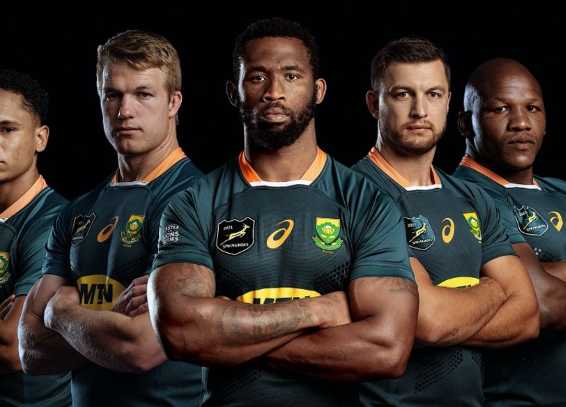
The Springbok’s bottle green and gold colors first appeared in 1906. I believe this was more than just a style choice. The green jersey had a gold collar and was worn with a green blazer with gold trim. This combination helped create a special South African identity on the field. Then you have the emblem: a Springbok antelope leaping on the pocket. I find it interesting that this emblem came from Paul Roos’s first touring team. It remains a symbol of pride, unity, and good sportsmanship.
To me, it’s amazing how these details—the green, the gold, and the Springbok—united both English and Afrikaans speakers. The jersey became a core part of South African culture.
Iconic Features Through the Decades
– Bottle green as the main color
– Gold collar and piping
– The Springbok antelope badge worn over the heart
– White shorts for the classic look
Over time, every detail gained more meaning. This was very true during big moments like the 1995 Rugby World Cup. For me, that picture of Nelson Mandela giving the trophy while wearing a Springbok jersey on June 24, 1995, is powerful. It’s more than sports history; it shows unity. Today’s kits directly point to this day, so new generations can remember it.
Modern Meets Tradition
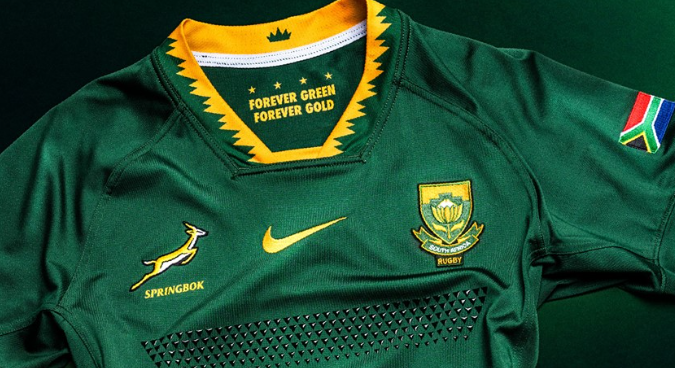
The 2025 home rugby jersey keeps the classic green and gold. It has a modern neckline based on the King Protea flower. I suggest this is a strong symbol of unity and change after apartheid.
Four gold stars inside the collar show South Africa’s four Rugby World Cup victories.
When it comes to materials, I’ve noticed a mix. Classic versions might use thick cotton for a retro feel. Performance rugby jerseys use modern fabrics for better airflow, strength, and comfort during games.
Even the away jerseys follow this theme. For example, some are all-white with green trim, which reminds me of the famous home jersey.
A Closer Look: Details from Different Decades
– The 1995 edition: This one was made of thick cotton with a looser, boxy shape. It had a bold gold collar and a simple badge. It’s a classic look that is still made for special events.
– The 2025 edition: This version has a snug, modern fit. The collar is specially designed with protea leaf details. The badge now mixes the Springbok and the King Protea. And you’ll find the four hard-won stars stitched inside. Every part of it blends tradition with modern technology.
How to Design a Great Springbok-Style Rugby Jersey
Essential Color Details: The Green and Gold Standard
Bottle green and gold are essential. They make people think of the Springboks right away. These colors are not just for looks. They tell the story of South African rugby’s past 100 years. I recommend using green for the main part of the jersey. Then, add touches of gold on the collar, piping, or sleeves for a classic, historical feel.
The Collar: Where the Protea Blooms
On recent kits, the Protea flower, South Africa’s national symbol, is on the collar as small, shaped leaves. You can use this to show respect for tradition and your pride in the nation. It doesn’t matter if you pick a modern, tight-fitting jersey or an old-school button-down. I suggest adding this design to your collar for a fresh and meaningful look.
Crest, Badge, and Proper Placement
Place the famous Springbok antelope badge directly over the heart. I’ve noticed many new designs add a Protea wreath or shape behind or around the Springbok. This mixes old and new symbols. In my opinion, small details in this area make a big difference.
Stars and Storytelling Inside the Collar
Four gold stars inside the collar. Each star stands for a Rugby World Cup victory. I suggest you embroider or print them on the inside of the neck. This makes anyone who wears the shirt feel the team’s powerful history.
Fabrics: Modern Performance vs. Classic Feel
The fabric you choose is very important for the overall feel. My recommendations are: For playing sports, I suggest using lightweight, moisture-wicking, and strong technical fabrics. If you want a more classic, old-school feel, I recommend heavyweight cotton. It feels just like the roomy jerseys from 1995.
The design should also be practical. From my experience, real Springbok jerseys have useful features: More breathability and flex for tough games. Rubber grip patterns to help players hold the ball securely. This was a new idea back in 2007.
If you like the classic rugby style, I suggest a buttoned or polo collar. It looks smart when you’re not playing.
Sponsor and Brand Details: A Modern Balance
In my opinion, every modern jersey needs space for sponsors and brands:
– Place the Sponsor logo (like FNB for 2025, which takes over from MTN) on the chest.
– Put the Brand mark (like Nike) on the other side.
Alternate Looks: All-White with Green Spirit
I suggest you don’t stick only to green. The alternate away kits are usually all-white with green details. This offers a new look and is a great background for adding Protea designs on the collar or sleeves.
I like adding small slogans or hashtags inside the bottom edge, like #ForeverGreenForeverGold.You can also add special dates, player numbers, or special stitching. I feel it’s a nice touch for those who follow the team closely.

Related Reading: How to Custom Hawaiian Baseball Jerseys with Bulk Discounts
Finding the Right Size for Your Springbok Rugby Jersey
Adult Rugby Jersey Sizing: Know Your Numbers
To get the fit right, I suggest using three main body measurements: chest, waist, and hips. From my experience, the official Springbok kit builders, like Nike, use this system for their size charts. If you want an authentic feel and athletic comfort, I recommend you follow this same method.
Here’s how the Nike Men’s Jersey sizes stack up (in centimeters):
|
Size |
Chest |
Waist |
Hips |
|---|---|---|---|
|
XS |
<88 |
<73 |
<88 |
|
S |
88–96 |
73–81 |
88–96 |
|
M |
96–104 |
81–89 |
96–104 |
|
L |
104–112 |
89–97 |
104–112 |
|
XL |
112–124 |
97–109 |
112–120 |
|
2XL |
124–136 |
109–121 |
120–128 |
|
3XL |
136–148 |
121–133 |
128–136 |
Kids’ Rugby Jersey Sizing: Growing the Next Generation
For children, you should use their age, chest, hip, and height. This ensures the jersey moves with them from practice to game day. Here is a guide:
-
XS (6–7 years): chest 64.5–66, hips 68.5–71, height 122–128
-
S (8–9): chest 66–69, hips 71–74.5, height 128–137
-
M (10–11): chest 69–75, hips 96–104, height 137–147
-
L (12–13): chest 75–81.5, hips 79.5–84.5, height 147–158
-
XL (14+): chest 81.5–88.5, hips 84.5–89.5, height 158–170
Fit Types: Performance vs. Fan Style
Tight fit: These are form-fitting and follow the pro tradition you see in elite match-day kits. They make you look ready for the pitch and can make it harder for opponents to tackle you.
Replica fit: This is a roomier fan version. I like this style for wearing to a game or a braai. I suggest going up a size if you want extra space for layering.

Related Reading: Top 7 Custom Hockey Jersey Manufacturers in Sweden for Teams
Designing a Custom Springbok-Style Rugby Jersey
Get Inspired by Studying Real Springbok Details
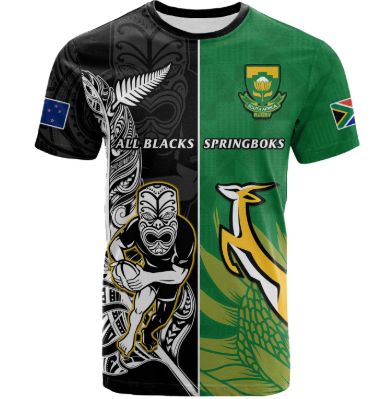
First, I look for the best sources of inspiration. I suggest you study the official Springboks jerseys, both old and new: I’ve noticed the latest Nike 2025/2026 jerseys feature bold African-style patterns. They also have slim, athletic cuts and mesh panels in high-sweat areas.
I always note the core heritage features. These include the classic green-and-gold colors and gold trim. I also look for tribute details, like the four championship stars and the unique collar inspired by the King Protea flower. A great example is the 1995 World Cup jersey with its classic look. I also think the hashtags like #ForeverGreenForeverGold inside the collar are a great touch.
Choose High-Quality Materials and Tech
I recommend selecting fabric that performs as well as the athletes do: 100% polyester is the professional standard. It’s lightweight, strong, and pulls sweat away from the skin. The 2025/2026 jersey is a great example of this.
Look for materials that stretch, breathe, and dry fast. This helps keep players and fans cool throughout the match.
Focus on the Structure and Fit for Gameplay
I recommend a slim, athletic cut. This is not just for appearance; it helps reduce friction and improves performance on the field. I integrate ventilated mesh zones in areas that get moist. This makes the jersey comfortable to wear, even deep into a game.
Sizing is very important. I use specific sizing based on Springbok production standards (XS to 3XL). This includes clear chest, waist, and hip measurements.
Add Visuals and Symbols That Tell a Story
This is how I put the “Springbok” spirit into my design: let iconic green be the main color. I then use gold for stripes, piping, or sleeve details to make it stand out. I like to include King Protea flower motifs. They look great on or around the collar, similar to modern “crowned” necklines.
To celebrate the team’s wins, I stitch four gold stars inside the collar, one for each Rugby World Cup victory. Don’t forget an inner message—this has been a tradition for a long time. I add phrases like “Stronger Forever” to connect the jersey to the Springbok identity.
Test, Refine, and Get Feedback
A great design has to be tested on the field. I create a prototype of the jersey. I have athletes test it during tough practices or games. listen to what real athletes say. They will tell you if the fit, seams, or mesh needs improvement. Nike’s own process improved movement, reduced chafing, and increased airflow in each new jersey. make adjustments and review the design. I move to production after the look and feel get a full approval.
Historical Design References & Trends for Springbok-Inspired Rugby Jerseys

1995 Springbok Jersey
I think of this as the Mona Lisa of rugby shirts. It was deep green and gold, with a boxy fit and real cotton. When Nelson Mandela wore this jersey at the ’95 Rugby World Cup final, it became a national treasure. I believe it came to represent unity and hope for all South Africans. In 2025, the company released a pure cotton replica. It had the leaping Springbok and original wreath of proteas. It sold for about €65.00. It’s not just a shirt; it’s a wearable piece of history.
1999 Nike Debut
The design showed hints of the future. It had subtle shoulder stripes and a new flag patch. I feel it still respected the jersey’s history. This was the first time the Nike Swoosh appeared. It showed a change in direction, but the classic colors remained the main focus.
2003 Modernization
The shape of the jersey changed completely. The collar was gone. It was replaced with a tight, streamlined fit and a bold gold neckline. The athletes looked like superheroes. They looked sleek, powerful, and built for speed. I think this reflected wider trends in sportswear around the world.
2004 Canterbury Revival
The design went back to comfort and tradition. It featured a relaxed fit and a collared V-neck that reminds me of 70s football shirts. Canterbury also returned as the rugby jersey vendor. A new sponsor, Sasol, showed that pro rugby was becoming more of a business.
2007 Innovation and Features
This was the tightest Springbok fit so far. It had rubber grips for better ball handling. A bold white flash and gold trim gave it a futuristic look. I know that not everyone liked the minimal collar. But in this case, performance was more important than old-school style.
2009 National Symbolism
The Springbok logo moved to the side. This made room for the King Protea badge. I believe this was a deliberate move to show unity in all South African sports. The older design parts were smaller. This highlighted the new badge and a simpler collar. The goal was to build up national pride.
2025 Anniversary Release & Modern Hybrid
Heritage met high-tech in this dual kit launch. The fan replica brought back the popular 1995 design in pure cotton. The on-field kit kept the bottle green and gold colors. It also added a new neckline shaped like a Protea crown. You can find four gold stars stitched inside the collar. Each star marks a World Cup win: 1995, 2007, 2019, and 2023. I like the small stitching details that honor these great moments. The new jerseys use fabrics that pull moisture away from the skin. They are also flexible and durable. I think these are essential features for both athletes and fans.

Related Reading: Top 10 Leading Custom Jersey Manufacturers in Spain
Conclusion
Looking back at this incredible journey through Springbok jersey history, I realize these colors carry more than tradition—they carry our dreams. Every time I see that bottle green and gold, I remember that we’re part of something bigger than rugby. We’re connected to moments of triumph, unity, and hope that shaped our nation. The jersey isn’t just fabric; it’s a reminder that when we stand together, we can achieve the impossible.
To learn more about rugby team jersey design, custom rugby sweatshirts and rugby jersey creator, please visit Ballsjersey or [email protected] to contact us.