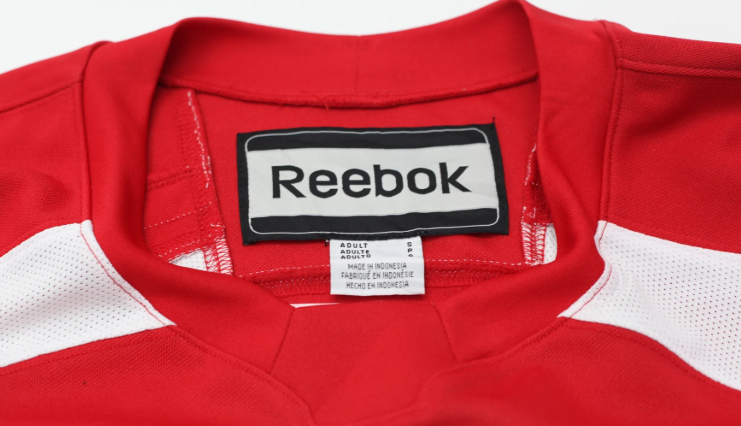
Have you ever wondered where Reebok jerseys are made and how their production process has shaped the sportswear industry? As a trusted supplier of custom jerseys, we understand that understanding the heritage and manufacturing background of iconic jersey manufacturer like Reebok can provide valuable insights for teams, leagues, and retailers.
In this article, we’ll explore Reebok’s global jersey production strategy—from overseas manufacturing to custom-made jerseys in the US—and analyze what makes its jerseys stand out in terms of quality, design, and flexibility. Whether you’re looking to customize team jerseys or source sportswear, Reebok’s approach offers valuable lessons in scalability and precision.
Where Were Reebok Jerseys Made
Offshore Production and Shipping
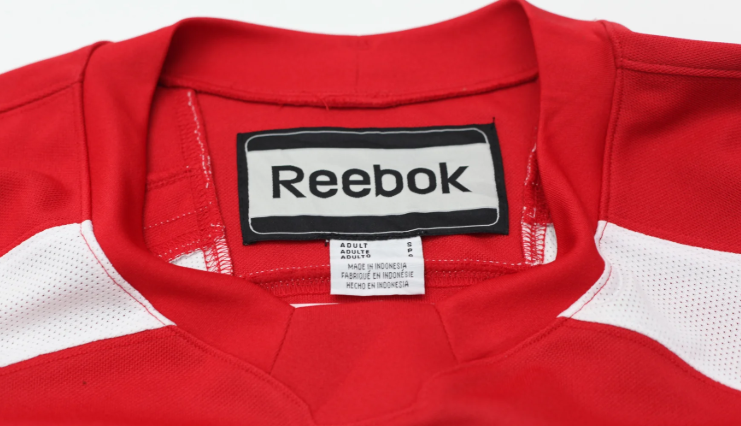
Reebok used several locations to make its jerseys. They worked with overseas partners, mainly in Asia. These partners made huge batches of jerseys. They followed Reebok’s specific designs to get every detail right. This included the unique look, style, cut, and color for each team. Teams’ designs were never mixed. Each partner delivered exact orders. They made either “dressed” jerseys, which already had a player’s name and number, or “blank” team jerseys for later personalization.
U.S. Customization and Finishing
For me, the most interesting part began when the jerseys arrived in Indianapolis. Reebok had its own screen-printing and sewing facility there. I think their peak capacity was impressive, finishing 10,000 jerseys a day. This facility didn’t just work on NFL jerseys. It also made NBA gear, T-shirts, and sweatshirts. The Indianapolis location was built to be fast and flexible. This was essential when a big trade or a player’s sudden fame changed what people wanted to buy.
Bottom line:
What I like about Reebok’s method is how it mixed large-scale global production with quick, local responses. I believe this strategy was perfect for the fast-paced sports apparel market.

Related Reading: Rugby vs American Football Jersey: What Are The Differences?
What Made Reebok NFL Jerseys Unique
Premium Fabric Choices and Sourcing
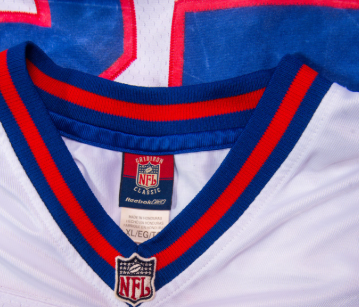
Every Reebok NFL replica jersey began with carefully chosen materials:
– 5oz nylon diamond-back mesh for the body. I think this was a great choice because it made the jersey light, breathable, and ready for game day.
– Nylon dazzle sleeves and yoke in real team colors or clean whites. This ensured every jersey met NFL standards.
– 8–8.6oz polyester flat knit rib collars for comfort and long life. Some teams also got stripe knit inserts.
Reebok bought all the raw materials ahead of time. They kept them in stock with their overseas factories. I believe this planning was smart. It meant they could respond quickly and start making any team’s jersey right away.
Distinct Team-by-Team Design
Unlike generic options, I noticed that each NFL team’s jersey was one-of-a-kind. Reebok did not reuse designs between teams. The style, color combinations (like home and alternate colors), and cuts were specific to each team’s look. This focus on detail gave fans a genuine experience and real value.
Advanced Customization and Fast Response
The process didn’t stop at the overseas factories. They made blank jerseys with all the fabrics but no names or numbers. From there, they had two options:
– They decorated them with a player’s name and number overseas before shipping.
– Or, they sent the blank jerseys to their U.S. center in Indianapolis to be personalized.
At the Indianapolis center, I find it impressive that their machines could finish up to 40,000 impressions each day, running at 80% capacity.
They printed names and numbers on the front, back, and sleeves. Each jersey got a professional finish. In my opinion, seeing the player names perfectly placed across the upper back showed their commitment to quality.
Flexible Inventory: Demand-Driven Production
I suggest this blank jersey inventory strategy was Reebok’s secret weapon. It helped them with:
– “Just-in-time” production for popular players and best-sellers,
– Quick restocking after big trades or during the playoffs,
– Supplying wholesale orders to retailers without delay.
In short:
From my viewpoint, Reebok jerseys mixed quality materials, unique team jersey designs, and a reliable “on-demand” printing method. This efficient production line was more than just good business. It meant fans could always get genuine, current gear that matched the action on the field.
A Look at the Reebok Jerseys Made History
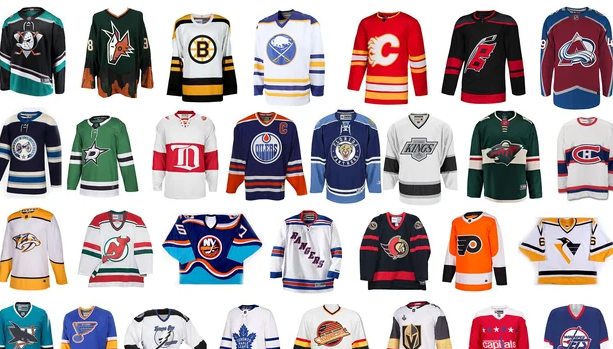
Reebok’s Company Origins and Headquarters
Reebok started in England in 1958. It took over J.W. Foster and Sons, a business from 1895 in Bolton, Lancashire. I find it interesting that their first products were made right there in Bolton. As the company grew, things changed. By the late 1970s, they opened an office in the United States. Their U.S. base started at 100 Technology Center Drive in Stoughton, Massachusetts. It later moved to Boston’s Seaport District. This put them among the top sportswear brands in the world.
Ownership Timeline and Brand Management
Changes in ownership guided Reebok’s plans:
– Founded in England, 1958.
– Became Reebok USA in 1979, setting up their American business.
– Acquired by Adidas (Germany) in 2005.
– Sold to Authentic Brands Group in 2021. I think this started a new phase for them. They had U.S.-based management but kept partners in Europe, the Middle East, and Africa (EMEA).
These ownership changes created new goals: lower costs, bigger production, and faster delivery. This explains why Reebok jerseys for leagues like the NFL or NBA were not made in a single location. I believe this was a smart move for efficiency.
Production Locations
Demand grew in the 1980s and 90s, so Reebok started making products globally. I see two main reasons for this: to cut costs and speed up the supply chain. By the late 1990s, almost all jersey and shoe production moved to Asia. The main countries were:
– China: 29%
– Indonesia: 28%
– Thailand: 14%
– A smaller presence in South Korea (down to 9% for shoes by the late 1990s)
– They had some small factories in Turkey and research labs in Wixom, Michigan. In my opinion, these were outliers, not the norm.
This means a typical Reebok jersey was first made in Asia. Specialized factories there built them exactly to Reebok’s standards.
Key Company Numbers and Brand Presence
-
At its peak, Reebok employed close to 6,950 people. It reached about $3.64 billion in global sales in 1997.
-
What’s more, Reebok also made products for other brands. These included Greg Norman, Rockport, and Polo Sport. This expanded their global factory network.
-
Today, you can find Reebok products everywhere. The Authentic Brands Group has guided the company’s plan since 2021.
My final thoughts:
Reebok’s journey is quite a story. It went from a British company to having U.S. and global owners. It grew from small local shops to huge factories in Asia. I believe this path is why we see their jerseys in NFL stadiums and local sports stores. Based on my experience, this business plan shows more than just where jerseys were made. It shows how the company could meet massive demand. It also explains how they adapted to changes in sports trends.
Related Reading: Rugby vs American Football Jersey: What Are The Differences?
Conclusion
Looking back at Reebok’s jersey production story, I’m struck by how they created something special. They took global manufacturing and made it personal for every fan. From Asian factories to Indianapolis finishing centers, each step had purpose. I think this approach changed how we think about sports gear. It wasn’t just about making jerseys cheaper or faster. It was about giving fans authentic pieces of their teams’ stories. Today, when I see any sports jersey, I remember that behind it lies a complex network of craftspeople, designers, and dreamers who understood that wearing your team means everything.
To learn more about custom team uniform manufacturer, wholesale jerseys supplier, please visit Ballsjersey or [email protected] to contact us.