
When you put on an NBA jersey with your favorite player’s number printed on it, it is more than just an ordinary sports jersey – it carries the glorious history of the team, embodies the passionate emotions of fans, It is also the result of collaboration between the global supply chain and professional jersey manufacturers.
Today, as the official jersey supplier to the NBA, Nike, with its robust design capabilities and global production network, leads the production of jerseys for all 30 teams. This guide will demystify NBA jersey production. You’ll discover the countries where your favorite team’s jerseys are made, Nike’s secret manufacturing strategies—from moisture-wicking fabric in Thailand to fast-turnaround centers in Mexico—inside tips on how to spot counterfeit jerseys, and surprising sustainability data.Let’s uncover the truth and embark on our investigative journey.
Who Makes Official NBA Jerseys? A History of NBA Jersey Makers
The First Few Decades(1940s–1990s)
To start, the NBA’s first uniforms didn’t come from a single brand. For many years, small companies made them for each team. Brands like Medalist Sand-Knit, which later became MacGregor Sand-Knit.
But things changed in the 1990s. Champion signed a big deal in 1990 to be the only jersey uniform maker for all 27 NBA teams. For seven seasons, Champion was in charge. They also had the rights to make the replica jerseys that fans could buy. I believe this was the “classic” jersey era. These jerseys had stitched-on numbers, thick material, and big championship logos.
Multiple Brands and New Styles (Late 1990s–2000s)
By 1997, the exclusive deal ended. The rights to make authentic jerseys were split among three brands:
– Champion: Made jerseys for 10 teams (like Atlanta, Indiana, Seattle…)
– Nike: Had another 10 teams (including Chicago, LA Lakers, Boston, etc.)
– Starter: Covered 9 teams, including the Knicks and Warriors
Starter left the picture in 1999, and Puma took over its contracts. Another big shift happened in the 2001–02 season. Reebok made a deal to take on Puma’s nine teams. This created a very interesting year. You could see Champion, Nike, Puma, and Reebok jerseys all on the court at once.
The Adidas Era (2006–2017)
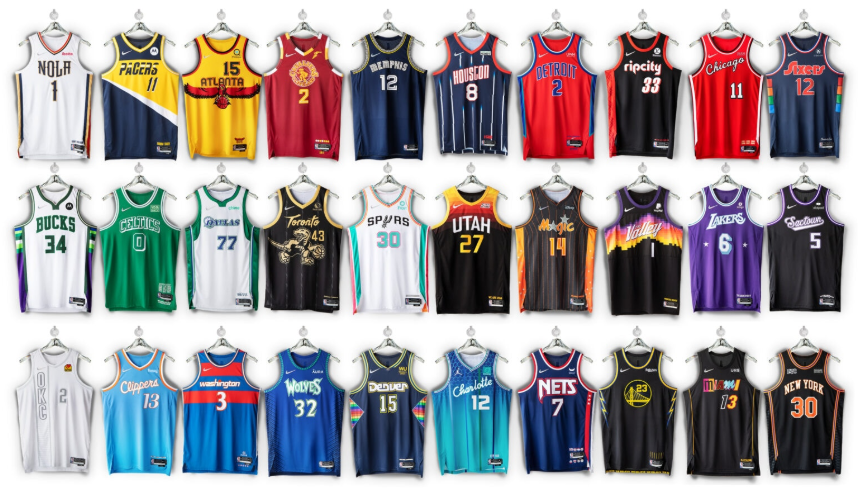
In 2006, the league went back to a single brand. The NBA gave Adidas an 11-year contract for all uniform rights. From my perspective, this brought a lot of fresh styles. We saw the first “City” and alternate jerseys. This allowed teams to explore their history and identity with new colors.
The Nike Era (2017–Present)
– The biggest change was the logo placement. For the first time, every official jersey had the jersey maker’s logo on the front. A small Nike Swoosh was stitched right on the chest.
– Nike also introduced new uniform systems. These were the Association, Icon, and Statement editions. They also started the City Edition jersey cycles that we see today.
– A great addition happened in 2020–21. The famous Jumpman logo from Jordan Brand appeared on the Statement Edition jerseys for all teams.
– The current Nike deal is scheduled to continue through the 2025–26 season.
Where Are NBA Jerseys Made
China: The Main Anchor for NBA Jersey Manufacturing
China is the main hub for making NBA jerseys. Nike has to approve every detail. After that, the contract jersey manufacturers there handle almost the entire process. They knit the special polyester fabric. They heat-press the names and numbers of the stars. They also check every stitch before packing the jerseys for fans in the U.S. and Europe.
From my experience, things like trims, threads, and zippers are usually sourced right there in China or from close by in Asia. Even the labels and packaging come from the same region jersey factory.
Thailand: From Adidas Consolidation to Modern Jersey Tech
Back when Adidas made NBA uniforms, they moved most of their production to Thailand. Based on what I’ve seen, this was to control the materials better and lower costs. It also helped make sure every jersey looked and felt the same.
The jersey factories in Thailand are huge. They can make thousands of team kits at a time. They use a special polyester fabric that wicks away moisture.
United States: From Classic Production to Custom Finishing
To save money and use the same fabrics everywhere, the big jobs moved to other countries. Now, U.S. facilities handle the final steps. This includes custom work for players or making quick changes. They also produce limited-edition jerseys on short notice.
From my perspective, things like design and custom orders for fans are still based in America, while the large-scale jersey production happens somewhere else.
Mexico and Canada: North American Hubs for Custom and Quick Turnaround
They custom team jerseys in batches and can restock them quickly. This speed helps match the fast sales cycles in the United States. Their main advantage is being so close. Jerseys can go from the factory floor to a store shelf very fast. I believe big retail stores really appreciate this speed.
They add special touches to unique jerseys for local fans. This also helps fill online orders. Reports on basketball clothing often show Canada as a major market for NBA gear.
Related Reading: Men’s vs Women’s Sports Jersey: A Complete Guide to Cut, Style and Fit
Authentic vs. Replica NBA Jerseys: How to Spot the Difference
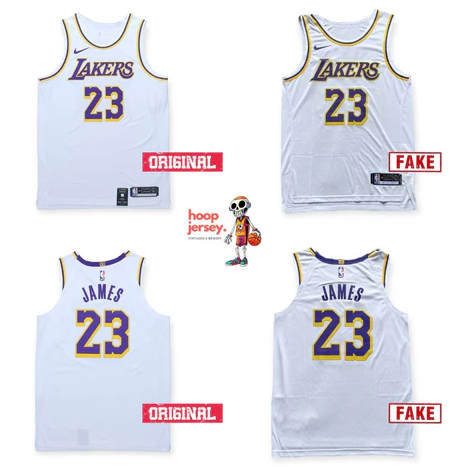
Core Construction: What’s Different?
-
Names & Numbers: The first thing I check is the inside of the jersey. Authentic jerseys have sewn tackle-twill letters and numbers. When you run your fingers over the inside, you can feel the actual stitches. Swingman and replica versions use heat-applied or screen-printed graphics. These feel flat and smooth against the fabric.
-
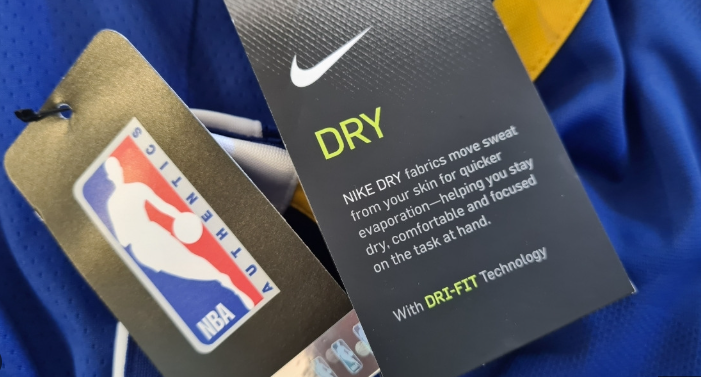
Fabric Story: Authentic jersey is lighter, moisture-wicking knit, like Nike’s Vapor or Dri-FIT ADV material. It’s made for performance. Swingman versions use a thicker, basic polyester mesh, which I find is better suited for everyday casual wear.
-
Stitching & Detailing: An authentic jersey has superior panel stitching, embroidered patches, and era-accurate badges. A swingman jersey sticks to printed twill, which allows for faster production and a more affordable price.
How to Spot an Authentic Jersey at a Glance
-
Look for the Hem Tag: I always find the patch at the bottom right corner. The “Authentic” label and a “Length +2” marker are my green lights. That extra length helps players tuck their jerseys in. A swingman jersey will just read “Swingman” and won’t have the extra length.
-
Inside Touch Test: I suggest you rub the inside back of the jersey. If you feel the rough, zigzag pattern from the name and number stitching, you are holding an authentic. If it feels smooth, it’s a replica or a swingman.
-
Logo & Trim Feel: Some authentic jerseys have premium trims. I’ve seen special editions, like the City Editions, with 3D metallic team logos. Swingman versions have a much flatter, printed finish.
Price Points and What You Get
-
Authentic NBA Jersey: This is the most expensive jersey on the rack.
-
Swingman: A great middle-ground option, usually under $100. I think it’s a practical choice for fans who want a mix of style and value.
-
Replica: This is the budget pick, often between $50–$80. It has lighter mesh and screen-printed graphics that may peel after a lot of use.
Real-World Examples
City Edition Jerseys: A Bulls City Edition jersey has championship details on both versions. But on the authentic one, those metallic strips really pop and catch the light.
Classic Throwbacks: Collectors like Mitchell & Ness because they get the details right. If the original jersey had triple-layer twill, their authentic version does too. For the swingman, these details are simplified or printed on.

Related Reading: Top 6 Best Custom Football Jersey Manufacturers In France
How NBA Jerseys Are Made for Performance and Style
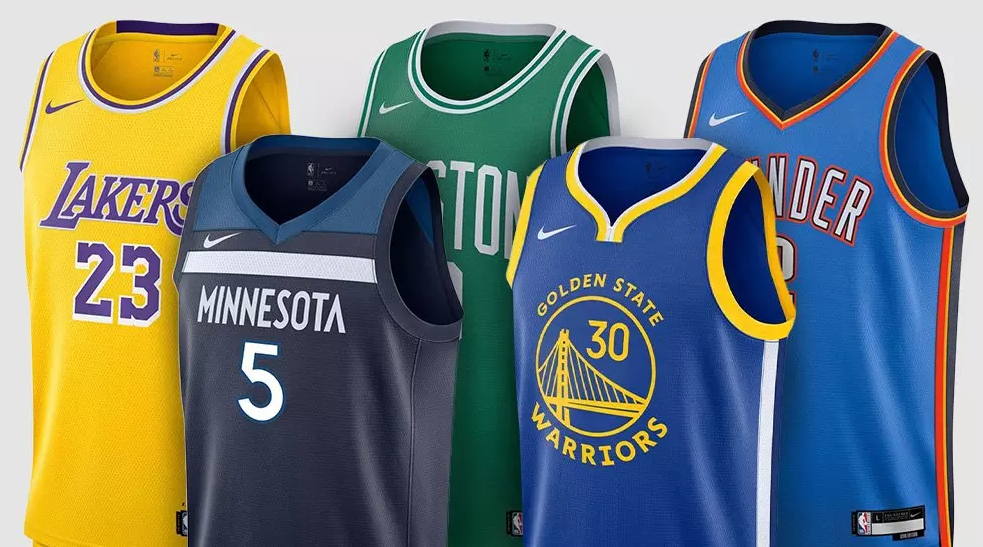
Design Approvals and Creative Work
Each season, Nike works with the NBA and individual teams. They plan designs for five main jersey types: Association, Icon, Statement, City Edition, and Earned Edition. I think it’s cool that each look tells a story about local history. Teams give their input on colors, fonts, and graphics.
Choosing the Right Materials
Sports jersey Makers choose this fabric because it pulls sweat away from the skin and lets air flow. The on-court jerseys are designed to be very light. They have mesh panels that help manage airflow during the game’s toughest plays.
I’ve noticed that even the fan replicas focus on comfort. Their yarns are soft, flexible, and strong enough for pickup games or the washing machine. I also appreciate the focus on sustainability.
Precision Cutting for a Perfect Fit
Before sewing, machines cut the fabric. I imagine them as modern CNC machines, like digital knives. They cut out all the pieces for the front, back, and sides. They can make patterns to fit players and fans of all sizes. This precise process helps make every seam perfect. It also ensures every logo and stripe lines up correctly on thousands of jerseys.
Printing and Decoration: Bringing Each Design to Life
-
Sublimation: For complex designs like city murals, the graphics are heat-pressed into the fabric.
-
Screen Printing: For bold, solid logos and team names. It creates a sharp look and works well for making many fan jerseys at once.
-
Heat Transfer: Experienced Jersey builder apply names, numbers, and patches with hot presses. They check everything for the right color, spacing, and placement.
-
Embroidery & Patches: I love the details on authentic jerseys. They have stitched crests, jock tags, and sometimes championship patches. You often see this high-quality work on limited or special editions.
Skilled Sewing and Finishing
Once the designs are on, skilled people assemble the jerseys. Every seam is important, from the shoulders to the sides and armholes. They add extra stitching to high-stress points like the neckline. This makes the jersey durable.
Multi-Step Quality Control
Every NBA jersey goes through many quality checks. It has to pass these tests before it can be sold. Jersey manufacturer look for flaws in the fabric. They test seams for strength and stretch. They compare every print and stitch to a color guide. I’ve heard that for these licensed jerseys, a small mistake can be a costly one.
Sustainable Innovation in NBA Jerseys
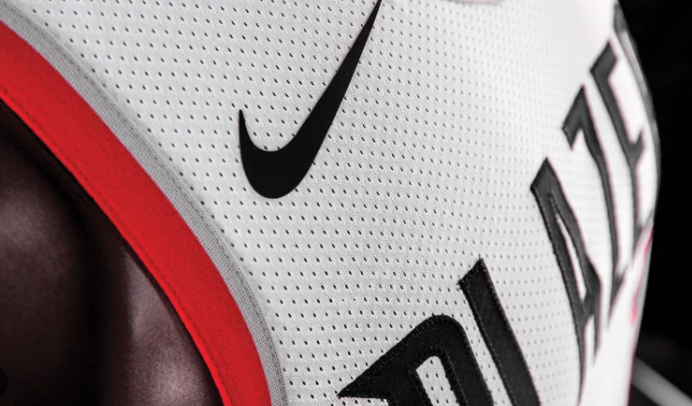
Recycled Materials Drive: Turning Bottles Into NBA Uniforms
Every official Nike NBA jersey is made from recycled polyester. This includes the ones pros wear on the court. The yarn comes from about 20 reused PET bottles.
Nike introduced “Alpha Yarns” with the 2017 NBA kit, blending high performance with sustainability. They report these jerseys wick sweat 30% faster than the old ones, an improvement that comes from the recycled materials.
Since 2010, Nike’s recycling efforts have been massive. They’ve kept over three billion plastic bottles out of landfills. These bottles are spun into fibers for jerseys, warm-ups, and fan apparel. Making fabric from recycled polyester uses up to 30% less energy than creating new polyester. This initiative goes beyond basketball. Nike reports that about 71% of its shoes and clothes now use recycled materials, which shows the scale of their commitment.
Waste Reduction and Circular Design in Every Stitch
They’ve set high targets for waste reduction. 98% of waste from their distribution centers and main factories avoids landfills. Even more impressive, their top apparel plants have achieved 100% waste diversion for two years in a row. About 75% of this waste gets recycled, and the rest is used to create energy.
They are rethinking how to cut, sew, and add graphics to jerseys. This helps get rid of waste and reduce their environmental footprint.

Related Reading: 6 Best Custom Baseball Jersey Makers in USA 2025
Conclusion
When I think about my favorite NBA jersey hanging in my closet, I realize it represents so much more than team loyalty. It connects me to a fascinating global network of innovation, craftsmanship, and sustainability efforts that span continents. From recycled bottles becoming performance fabric to skilled artisans perfecting every stitch, my jersey tells a story of human ingenuity and environmental consciousness.
From global NBA jersey manufacturing to your exclusive custom design—we bring jerseys back to their roots: made for passion, without exorbitant prices or copyright constraints.
Visit Ballsjersey or email [email protected] to let us know your customization needs and we’ll create your custom basketball jerseys without copyright issues.
✅ No copyright risk: Original designs/blank baseplates.
✅ Factory direct pricing: Made in China, exquisite craftsmanship.
✅ China’s OEM & ODM jersey supplier offers super-fast response times: proofing within 7 days, minimum order of 50 pieces, and full quality control.