Whether you’re into sports jersey or casual wear, the jersey is an essential piece, but not all jersey are created equal. Whether you’re a cyclist, a soccer player, or simply a fan of athletic style, understanding the differences between men’s and women’s sports jersey designs can make a significant difference in comfort and performance.
In this guide, leading custom jersey manufacturer delve into the key aspects of jersey cut and style to help you choose the right size for your body type and needs.
Comparison Between Men’s and Women’s Sports Jerseys
| Feature | Men’s Jersey | Women’s Jersey |
|---|---|---|
| Cut and Shape | A relaxed fit with broader shoulders and a boxy torso. It’s made to fit an “average” male body shape. | Made for curves. It cinches at the waist with more room in the bust and hips. Every size is built for shape. |
| Sizing System | Consistent sizing based on chest measurements. This makes finding your size straightforward. | Varies by brand and is more fitted. Sizing isn’t standard, which I find can be confusing. |
| Shoulder Fit | Wider shoulders, straight lines, and little waist shaping. | A narrower shoulder frame. It focuses on a cinched waist and hips for a streamlined look. |
| Length | The body and sleeves run longer. This gives it that classic, almost “oversized” feel. | Shorter torso shaped for a woman’s body. Sleeves and hems might be cropped or have a “drop-tail” cut. |
| Design & Looks | Bold colors, loud graphics, and broad stripes. I think it creates a powerful look. | You’ll often find softer colors, asymmetrical cuts, fine details, and fun pops of color. |
| Fabric Stretch & Comfort | A looser fit made for action. It’s breathable and won’t cling to your body. | It often has 4-way stretch that hugs you comfortably. I also see mesh zones for airflow, which is great for actual movement. |
| Neckline & Sleeves | Classic, easy crew or V-necks. The sleeves are made for mobility, not drama. | Stylish necklines like V-necks or racerbacks. It also has fitted sleeves that look smart and feel useful. |
| Motivational Factors | I find men’s choices are driven by performance and function. Brand reputation also plays a big part. | For women, I believe identity and feeling good are just as important as performance. A sense of community matters, too. |
| Coverage/Exposure | They are practical and provide more coverage (except for swimwear). | You might see less coverage for better movement or based on the sport’s tradition. Think volleyball tanks. Some styles offer full coverage. |
| Purchase Influence | Purchases often depend on performance claims and reviews from pro athletes. | Women often shop based on comfort, style, and what others recommend. Personal stories and online reviews are very persuasive. |
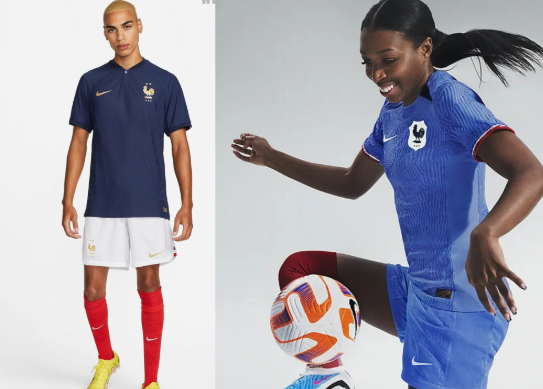
Cut and Fit in Men’s vs. Women’s Sports Jerseys
Fit Fundamentals: Straight vs. Contoured
A men’s jersey cut has a broad, straight profile. I see it as having a boxy shape, wider shoulders, and more room in the chest and back. When I try on a men’s jersey, I notice consistent sizing based on chest measurements. The sleeves are higher and wider, perfect for larger arms. I also like that the flat seams prevent pinching or restriction. They are made to not get in your way during training.
A women’s jersey fit follows the body’s natural shape. I see a tapered waist and curved side seams. The cut widens at the hips and provides more room in the bust. I’ve noticed women’s sizing is less consistent. I believe this is to accommodate the many shapes of women’s bodies. You can expect shorter, more fitted sleeves. I also recommend looking for optional details like drop-tail hems, which offer extra coverage when you slide or reach.
Style, Details & Fabric
Necklines are different as well. Men get classic crew necks and sometimes V-necks. I find that women’s jerseys offer deeper or wider necklines for comfort and a touch of personality. What about the hem? Men’s jerseys have simple, square hems. Women’s jerseys can have fun, curved hems that dip. This isn’t just for looks; I think it improves movement and adds modesty.
From my experience, performance fabrics are not all the same. Both jersey types use moisture-wicking materials. However, I see that women’s jerseys often have more mesh panels, particularly on the sides and under the arms. This is a key point. Over 60% of new women’s sports apparel includes extra ventilation. Feeling too hot during a game is something everyone wants to avoid.
Real-World Examples & Numbers
How does this apply in a real game? Let’s use volleyball as an example. Men wear loose, long jerseys. Women often compete in sleek, form-fitting, and sometimes sleeveless tops. I believe this choice is a mix of function, tradition, and uniform rules. Sports authorities are beginning to allow more design flexibility, which gives women more choices.
The numbers show these differences clearly. Inconsistent sizing causes women to have up to a 27% higher return rate for jersey orders. I also see that requests for drop-tail hems appear in 35% of women’s custom baseball orders. For men, that number is less than 5%. This shows a clear demand.
What about unisex jerseys? They are becoming more popular in youth and rec leagues, making up 18–22% of sales. This points to a move for more inclusive options. From my perspective, for serious athletes, a gender-specific fit is still vital. When you feel comfortable and confident, your performance improves.
Men’s vs Women’s Sports Jersey Size Comparison
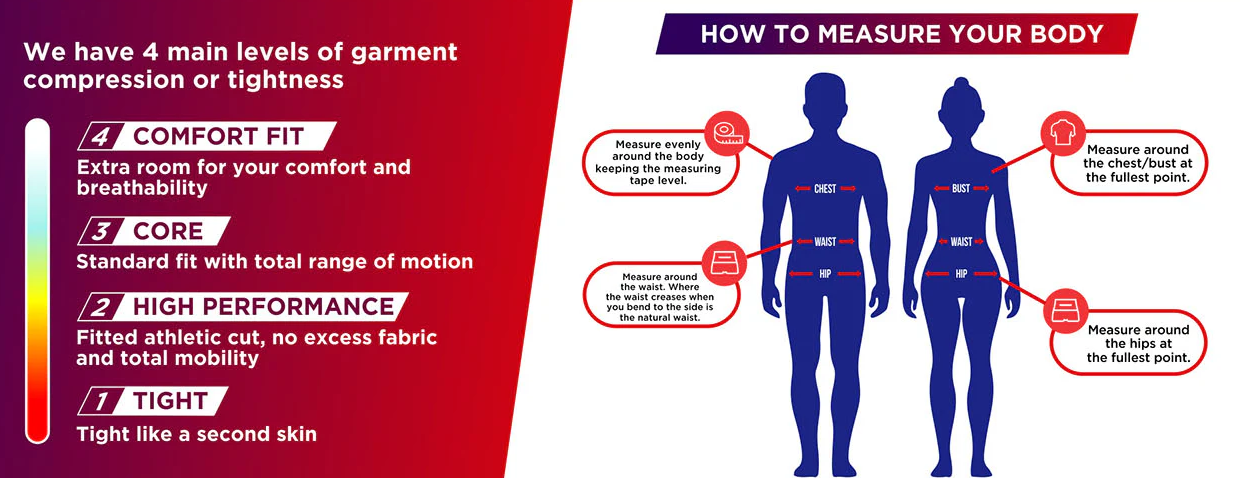
From my experience, sports jersey sizing can be tricky. When you compare men’s and women’s fits, the differences are clear. It’s not just about picking a size S, M, or L. The structure of the jersey changes to fit how you move and feel on the field.
Numeric and Alpha Sizing Breakdown
– Men’s jerseys have broader shoulders. They are also longer in the torso with a straight cut.
– Women’s jerseys feature a narrower shoulder and a shorter front. They have a tapered waist and often include details like a drop-tail hem.
– I suggest you do not swap a men’s L for a women’s L without checking the numbers. They are not the same.
Anatomy of the Fit: Shoulders, Waist, Length
Shoulders: I find that men’s patterns have broader frames. Women’s are shaped for a narrower build.
Waist shape: Women’s cuts have a sleek taper at the waist. This is different from the straight, boxy cut of men’s jerseys.
Length: Women’s jerseys are often shorter in the front. A size S can be around 19.37 inches. The drop-tail in the back gives you more room to move.
Practical Sizing Tips & Real-Life Stats
Alpha and numeric sizes do not match between men’s and women’s clothing. For instance:
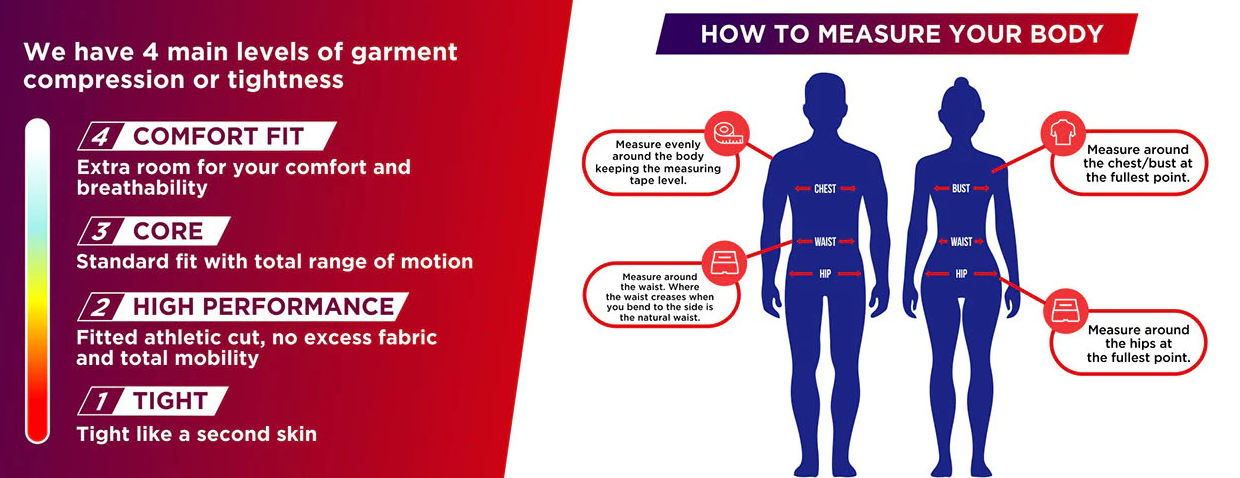
A men’s Medium is often a numeric 50 with a 40–44 inch chest.
A women’s Medium could have a 35–37 inch chest, so you cannot just swap them.
Brand matters: I believe every brand’s sizing chart is its own language. I suggest you check the official guide before you buy.
My Experience: In teams with a mix of players, I recommend everyone has their chest and waist measured. This simple step prevents awkward returns. It also helps you feel your best.
Not universal: A “women’s large” is not a men’s large. It can be several inches smaller and will fit the body in another way.

Related Reading: 7 Trusted Football Jersey Manufacturers In Spain: 2025 Verified Guide
Men’s and Women’s Sports Jerseys Style & Design Elements
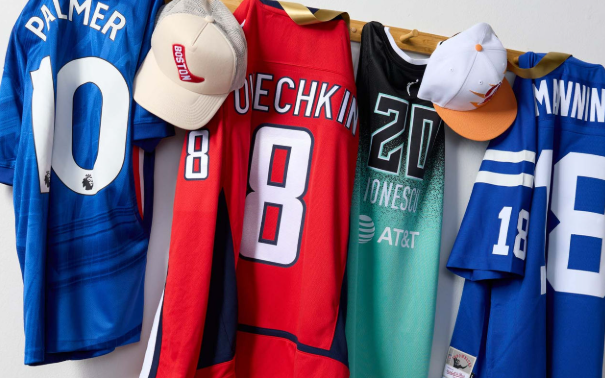
From my experience, when you compare sports jerseys, the style differences are clear. I believe that’s what makes them interesting. Men’s jerseys are often bold and direct. They make a statement. You will see solid colors and large logos. The cut is straight and boxy, a powerful look for the field or court. Their look is strong and easy to spot. This includes primary colors, wide sleeves, and functional mesh designed for performance.
I really love the artistry in women’s jerseys. Designers use asymmetry and gentle curves. I’ve noticed they also use softer color palettes, such as pastels or smooth gradients. You will see features like drop-tail hems, which allow for more movement. The seams are designed to fit well around the hips. These details make the jersey feel special. A good example is a bit of compression at the bust or a stylish cutout for better airflow. I think they are athletic and always interesting.
- Shoulders & Sleeves: Men’s jerseys have wide shoulders and straight, functional sleeves. I’ve found that women’s sleeves are set lower. This gives more freedom to move and creates a nice shape.
- Colors & Prints: Men’s jerseys use big logos and strong color blocks. Women’s styles, in my opinion, are more detailed. They have smaller logos, complex prints, and fine details you’d want to display.
- Necklines & Hems: Men’s jerseys have classic crew and V-necks. I find that women’s picks offer more variety. I see deeper necklines, uneven hems, and even some decorative piping.
- Fabric Innovations: Both use breathable mesh fabric. Based on my experience, women’s jerseys add targeted vents and compression. This is for better movement and comfort when you play hard.
Let’s look at the numbers. Manufacturers report that up to 60–70% of women’s team jersey orders have at least two custom style features. This compares to just 15–20% for men’s orders. In athlete polls, 78% of women stated they require extra panels for breathability. Just 46% of men said the same. I believe this shows a real demand for innovative and stylish designs.
This goes beyond tradition. I see it in other sports, too. In swimwear, women’s suits often provide full coverage and compression. Men’s suits can be very minimal. In baseball, I notice men’s jerseys follow the rules closely. More women’s jerseys now have drop-tail hems. I think this gives them more confidence when sliding.
Brands are becoming more aware. They are moving to gender-neutral and inclusive designs. These include neutral colors, body-friendly fits, and details that work for everyone. Now, you can choose between a bold, simple look or a detailed, expressive one. The options are catching up to what athletes want.

Related Reading: 9 Best USA Custom Jersey Manufacturers for Wholesalers
Choosing the Right Jersey for Your Needs
Picking a sports jersey isn’t just about what looks cool. From my experience, you need the right fit, fabric, and style for your sport and body. Let’s be honest: a jersey that doesn’t suit your shape, activity, or comfort will only disappoint you. Here are the key things I look for and recommend. These tips work whether you’re playing hard on the field or just aiming for a relaxed, athletic look.
Fit and Sizing for Different Sports
Cycling: I suggest a snug fit. This reduces drag and stops the fabric from flapping. Men’s jerseys are cut for wider shoulders and longer torsos. Women’s versions are shaped for the bust and hips and often have a shorter front to fit your body’s lines.
Basketball: You need freedom to move, not clinging fabric. Men’s cuts are straight and roomy. Women’s versions are more fitted at the waist. They also have a specific armhole shape to help you feel quick and look sharp.
Football: Think about protection and intensity. Men’s jerseys are bulkier to fit shoulder pads. Women’s jerseys are also tough, but they are designed to follow your body’s shape so nothing holds you back.
Soccer: This is all about staying cool and moving fast. Men’s jerseys have a relaxed, breezy fit. Women’s jerseys are more fitted, with curves at the waist and hips. They also have shorter sleeves for better airflow.
Casual wear: For casual wear, a loose look is popular for men. Women’s styles are often more fitted and might feature more playful prints or colors.
Material and Comfort Musts
For high-energy sports like cycling or soccer, I recommend a moisture-wicking fabric. This is a key feature for me. Polyester and nylon blends are your best friends for staying dry and cool. Lightweight, breathable fabrics are essential for hot days or long games. If you’re in a contact sport, I suggest you don’t compromise. Choose tough, layered fabrics. Your jersey should last and not tear in the middle of a game.
Jersey Style & Real-World Examples
Basketball jerseys: These are sleeveless with deep armholes and classic V or round necks. Men’s styles create a strong, broad look. Women’s styles are contoured and can be shorter to make movement easier.
Football: Look for reinforced spots or light padding. Men’s cuts are straight. Women’s versions are nipped at the waist for a neat look, even under stadium lights.
Cycling jerseys: Look for fitted jerseys with silicone grippers and useful back pockets. I find that the best women’s jerseys are shaped to your body and have a high neck and flattering seams.
Soccer: Look for mesh panels and side shaping for women. Men’s jerseys should have a simple, fuss-free fit.
Fan style: If you’re a fan in the stands, a relaxed replica is a great choice. I suggest men’s styles with bold graphics. For women, sizing up can create that popular ‘borrowed’ look.

Related Reading: How To Ensure Your Custom Volleyball Jerseys Fit Perfectly
Conclusion
Through my experience analyzing these jersey differences, I’ve come to appreciate how much thought goes into designing sports apparel for different bodies and needs. Whether you’re choosing a men’s jersey for its straightforward functionality or a women’s jersey for its thoughtful curves and details, the key is finding what makes you feel confident and comfortable. I believe the best jersey is one that disappears when you’re in action – you forget you’re wearing it because it works so perfectly with your movement. The sports world is evolving toward more inclusive options, and that’s exciting for all of us who love the game.
To learn more about custom men’s baseball jersey, wholesale women volleyball uniforms and custom unisex jersey manufacturer, please visit Ballsjersey or [email protected] to contact us.
FAQ
1.Are unisex jerseys a good alternative?
Unisex jerseys can be a great alternative, but it depends on what you’re looking for. They are typically based on a standard men’s jersey cut, meaning they have a straighter, more rectangular fit. Choose a unisex jersey for casual wear or if you love a relaxed fit. For serious sports performance or a precise, tailored fit, a gender-specific men jersey or women jersey is usually the better choice.
2.Can women wear men’s jerseys and vice versa?
Absolutely. There are no rules against it! The key is understanding how the fit will change so you can find a comfortable and functional option. If you choose to cross-shop, always consult the brand’s specific size chart and consider trying a size up or down from your usual to achieve your desired fit.