
In the fiercely competitive custom jersey market, thermal sublimation printing technology is becoming the core competitiveness of many suppliers to stand out. This unique digital printing method, with its wonderful chemical reaction of “solid-gas conversion”, allows the deep integration of color and fabric to create a delicate texture that seems to be born with it – this is precisely the key for professional jersey suppliers to create value for customers.
For custom jersey manufacturers, thermal sublimation printing is not only a process, but also a tool to meet the diverse needs of customers. So, what is so special about this technology that makes suppliers trust? How does it help suppliers achieve breakthroughs in material selection, process control and customization freedom? Next, we will combine the production process of custom jerseys to deeply analyze the unique advantages and practical value that thermal sublimation printing brings to suppliers.
What is Sublimation?
Sublimation printing as a unique digital method. It uses special inks that turn from a solid straight into a gas under high heat. This process skips the liquid stage completely.
This chemical reaction is key. The ink doesn’t just sit on top of the fabric. Instead, the color bonds with the material. In my experience, this makes the final print feel like it’s part of the fabric, not just layered on.
Materials and Equipment Needed
– Sublimation ink: This is a special, heat-sensitive dye made just for sublimation.
– Sublimation transfer paper: I use this coated paper because it absorbs and releases the ink very well.
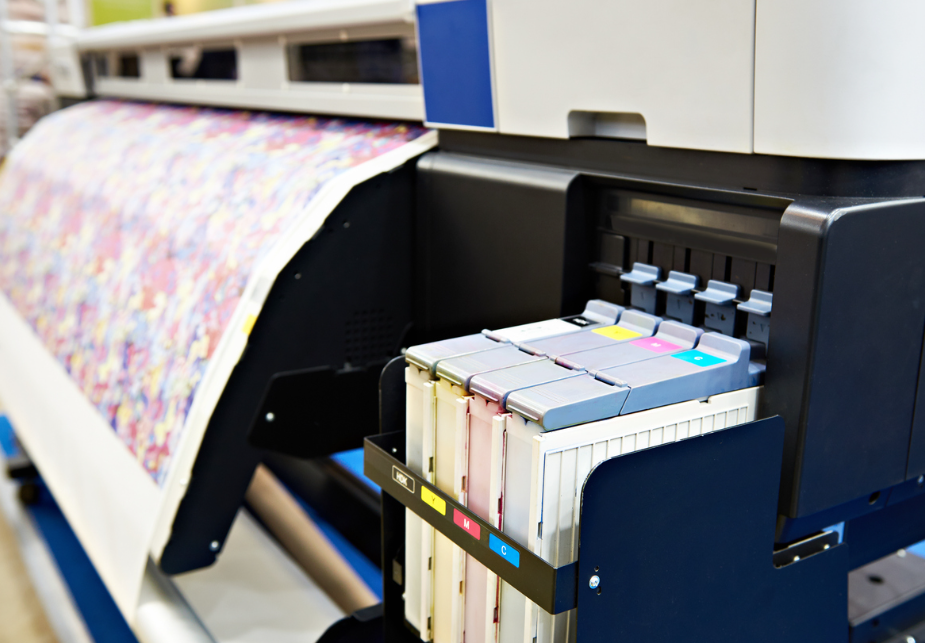
– Dye-sublimation printer: This machine will transfer your digital file onto the paper with sharp detail.
– Heat press: You can find these in flatbed or rotary styles. I find this flexibility lets you print on everything from jerseys to mugs.
– Compatible materials: For the best results, I always use polyester fabrics or items with a polymer coating, like ceramics, metals, or mouse pads.
How To Custom Jerseys with Sublimation Printing
Let me show you how I make custom sports jerseys using sublimation printing. I love this process because it creates sharp, detailed designs that last. I’ll walk you through how I do it for performance athletic gear.
Creating the Digital Design
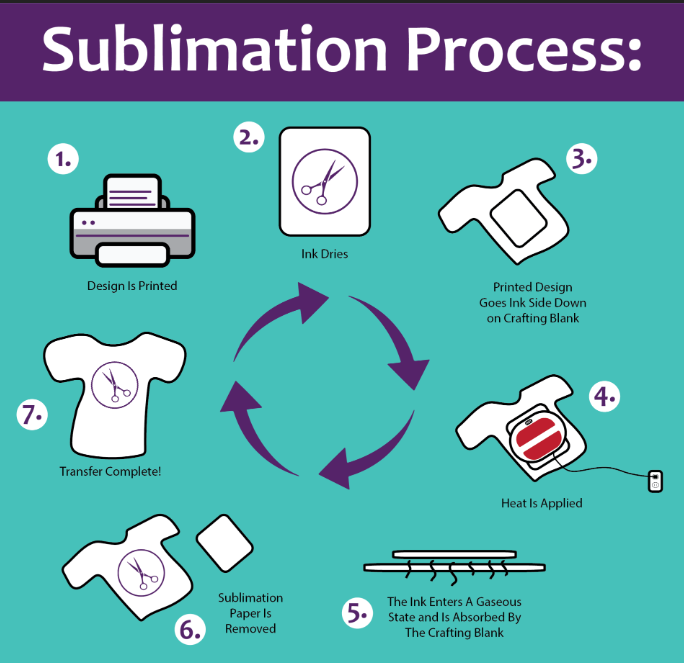
First, I create a digital design using a tool like Adobe Photoshop or Illustrator. In this file, I build the team’s entire look. This includes any custom patterns, colors, player numbers, and logos. Before I print anything, I send a digital mockup to the client. From my experience, getting approval at this stage prevents issues later on.
High-Resolution Printing on Transfer Paper
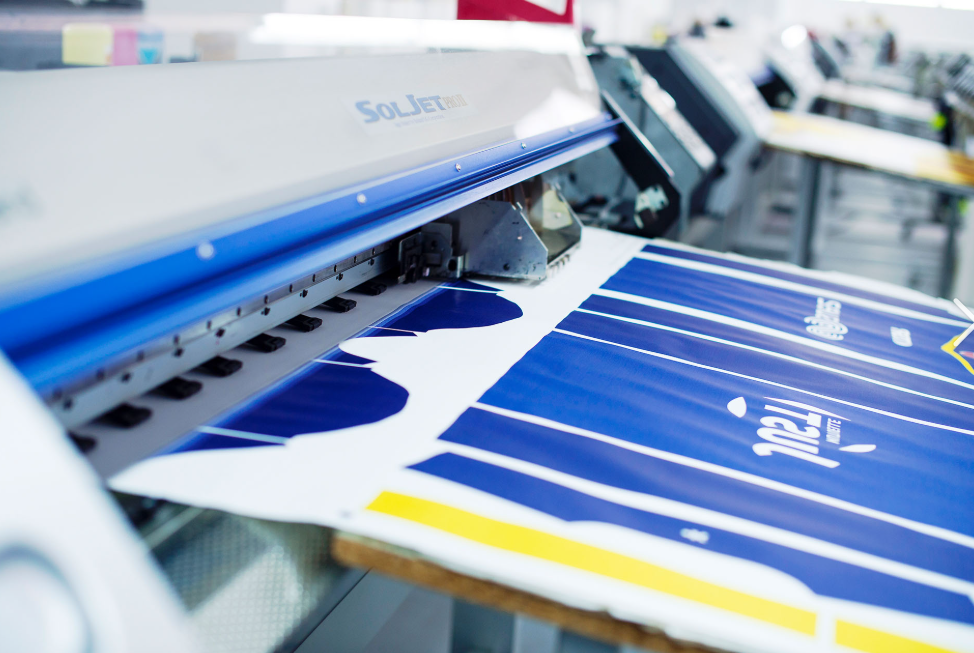
After the design is approved, I print it onto a special transfer paper. For my prints, I use CMYO (Cyan-Magenta-Yellow-Black) inks that I know give me great, sharp colors. This paper’s role is simple: it holds the ink until it’s ready to be pressed onto the jersey. This is a key step for a vibrant final product.
Heat Transfer: Ink Becomes Gas
Now for the heat press. I align the printed paper and the blank jersey fabric inside the press. I set the press to around 400°F (204°C) and apply pressure for 30 to 60 seconds. The heat and pressure turn the ink into a gas. This gas bonds directly with the polyester fibers. This is why sublimation is so durable; the design becomes a part of the fabric.
Cutting, Sewing, and Finishing
After the printed panels cool down, I cut them into the different parts of the jersey: front, back, and sleeves. Then, my skilled sewing team stitches everything together. I find that this cut-and-sew method gives the best fit. It also ensures every logo and stripe is positioned perfectly.
Key Features
- Graphics That Last: Sublimation creates full-color designs that won’t crack or peel.
- High-Performance Fabric: Using 100% polyester or a coated material. This is because the fabric holds the color best and makes the jersey durable for any sport.
- Less Waste: This method is cleaner than screen printing. There are no screens to clean or extra ink to throw away.
Advantages of Sublimation Printing in Team Jerseys
Bright Color and Last Long
What I find most impressive is how the dye becomes part of the fabric itself. It does not just sit on top. This means the colors stay bright. They will not fade after many washes or long games in the sun. In my opinion, jerseys do not just start looking new; they stay looking new.
Tough Enough for Intense Use
I suggest sublimated uniforms because they are tough. They can handle rough games and frequent washing. The designs will not peel, crack, or fade. Your team will have a professional look all season. You will not have to fix falling numbers or logos.
The starting price for a sublimated jersey might be higher. But I believe its durability saves money in the long run. You will buy fewer replacements. This really cuts costs for large teams with many seasons. In my opinion, this financial benefit is too good to pass up.
Unlimited Customization for Your Vision
Based on my experience, sublimation lets you create the exact jersey you imagine. You have no limits on colors or designs. You can use sharp logos or even full-color photos. I have seen teams use gradients, patterns, and sponsor logos with great success. This freedom helps clubs and schools create a unique look for every athlete.
A Greener Mass Production Method
It doesn’t matter if you are making one jersey or a thousand. Sublimation produces consistent results. I’ve seen industrial printers like the Mutoh RJ900x or XpertJet 1682WR deliver vivid prints for both major teams and smaller athletic brands. Each jersey can be made with sharp, identical details. You can also personalize items within a single production run.
I also like that sublimation is better for our planet. It uses water-based inks and creates very little waste. You avoid the chemical runoff you get with older printing methods. If your team cares about sustainability, and I think most do now, sublimation is a great choice.
Widely used
Sublimation printing is not just for one sport or style. I see it used everywhere today. You can find it on football jerseys, basketball uniforms, cycling shirts, and e-sports apparel. I recommend that designers look at the 19,000+ ready-made templates and vector graphics. These tools make it simple to test new looks and get them to the players fast.
Tips for Using Sublimation Printing on Jerseys
Material Limits
From my experience, sublimation printing does not work on natural fibers like cotton or silk. It just won’t stick. For a bright and lasting design, your fabric must be polyester. I recommend at least 65% polyester. If you use a cotton-heavy fabric, the print will fade fast and wash out. This is a major issue for teams who prefer the feel of natural materials.
The color limit is a huge drawback. The dyes for sublimation are transparent. This means they require a white or a very light background to show up well. If you print on a dark jersey, you won’t see the design.
Challenges with Graphic Alignment
Sublimation prints the design on the fabric first. Then, the fabric is cut and sewn into a jersey. I find it very difficult to line up the design across seams, sleeves, or collars. If your team wants a design that flows across different parts of the jersey, you’ll need to be flexible. Getting the alignment just right is almost impossible with this all-over printing style.
High Costs to Get Started
I recommend sublimation for small, custom orders. It works great for runs under 500 pieces. For larger orders, screen printing is usually cheaper and faster. If your league needs thousands of the same uniform with a tight deadline, I suggest looking at other options.
Sublimation costs more to set up than vinyl or screen printing. You need special machines. Good printers and heat presses can cost thousands of dollars. You also have to buy the special inks and papers. The initial cost is steep. I think small shops or teams with a low budget might find this too expensive.
Getting the Colors Right is Tricky
Your computer screen shows colors in RGB. Sublimation printers use CMYK dyes. In my experience, the color on the screen almost never matches the final printed fabric. The inks can be unpredictable. If your brand needs an exact color match, I advise you to plan for extra time and material for testing. You’ll likely have some waste.
Conclusion
If you are looking for a custom jersey that is both personalized and durable for your team, or want to make your brand jersey stand out in the market, sublimation printing technology is undoubtedly the ideal choice. As a supplier of custom jerseys, we can transform your creative design into professional jerseys with outstanding texture and long-lasting color by relying on our precise control of this process – whether it is a complex team logo, gradient pattern, or player-specific number, it can be perfectly presented.
Contact us now to submit your design ideas. We will provide you with a full process service from digital proofing to finished product delivery, so that your team can wear truly “unique” jerseys