
If you’ve ever worn a cozy sweatshirt or soft jogging pants and wondered what fabric makes it feel so perfect—soft and breathable, warm without being bulky—then you’ve probably come across French terry.
This cleverly woven knit has become a staple in everyday apparel, favored for its unique dual-texture design and versatile performance. It’s a core need for custom jersey suppliers and their customers. But what exactly is French terry? And how does it differ from other fabrics like terrycloth? Let’s dive into the details of this popular fabric, from its construction and key properties to its wide range of uses and why it’s a top choice for everything from sports jerseys to loungewear.
What is French Terry Fabric?
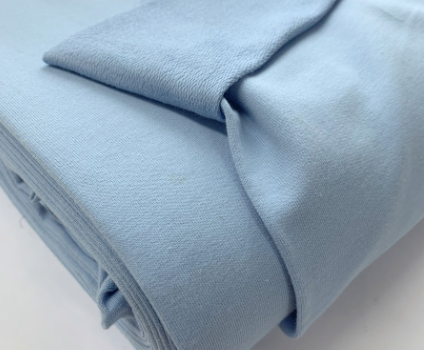
French terry as a very clever knit fabric. It has two different sides. The outside is smooth and soft, while the inside has a soft, looped texture.
It’s not like a regular bath towel with thick, heavy loops. The loops on the inside of French terry are much smaller and finer. This makes the fabric lighter and useful for many types of clothing.
How is French Terry Made

The manufacturing of French Terry fabric begins with the selection of high-quality yarns, often cotton or cotton blends, which are spun to the desired thickness and softness. The key production stage is the knitting process, typically done on circular knitting machines. These machines interlock yarns in a specific pattern, producing a fabric with loops on one side (the hallmark of French Terry) and a smooth surface on the other.
-
Yarn Preparation: Fibers are blended, carded, and spun into yarn. Strict quality controls are applied to achieve uniform yarn thickness, softness, and durability.
-
Knitting the Loops: Using specialized knitting machines, loops are created on one side while the other remains smooth. This is achieved by interlocking the yarn in a set pattern, unique to French Terry fabrics, which provides its signature stretch and softness.
-
Brushing and Finishing: To enhance the plush feel, the loop side of the fabric is often brushed to lift the fibers, increasing both softness and insulating properties. Additional treatments such as sanding or sueding may also be applied for even greater softness and a velvety texture.
Where Is French Terry Fabric Manufactured?
The main places making this fabric are China, India, Bangladesh, Turkey, Portugal, and Italy. Each country has its own strengths. Some offer new blends, some provide finishes that are better for the environment, and others have the newest machine technology.
Properties of French Terry Fabric
Dual Texture for Comfort and Performance
The most special thing about French Terry is its two-sided knit. One side is smooth. The other has tiny loops, usually 1–2 mm long. This unique texture gives you both comfort and great function:
-
Great Absorbency: Those small loops are amazing. They help French Terry absorb 20–25% of its own weight in moisture, and you won’t feel heavy or wet. I think this is impressive because it’s up to 50% more than regular flat knit fabrics. If you’re sweating at the gym or just out and about, the fabric pulls moisture away from your skin. This keeps you dry and feeling good.
-
Breathability & Adaptability: The loops also create little air pockets. I believe this is why the fabric breathes so well and helps manage your body temperature. It keeps you warm when it’s cold and cool during milder seasons. I’ve found it never feels stuffy against the skin.
Versatile By Design
-
Customizable Exterior: The smooth outer side is a great canvas. I’ve found it’s perfect for screen printing, embroidery, and dyeing. This allows for a lot of creativity in branding and fashion design.
-
All-Season Appeal: Because of how it’s made, I suggest using French Terry in any season. It works just as well in the summer as it does for layering in the winter.
-
Material Options: For most products, French Terry is 100% cotton. But I’ve also seen it blended with other materials like polyester, rayon, spandex, or Lycra. These blends can add more stretch, strength, or help manage moisture. This is great for customers who are active or want more fashion options.
Conscious Manufacturing
They use organic cotton and recycled polyester, which I find are much better for the planet. New technology helps cut water use by up to 70% and saves 30–40% in energy.The most impressive part is that Organic cotton French Terry can use 62% less energy and 88% less water than regular cotton. This gives you a fabric that is both green and performs well.
Comparison of French Terry and Terry Cloth
|
Feature |
French Terry |
Terry Cloth |
|---|---|---|
|
Construction |
Loops on one side, smooth on other |
Loops on both sides |
|
Weight |
Medium (200–450 gsm) |
Heavy (400+ gsm) |
|
Main Uses |
Apparel, loungewear, athleisure |
Towels, bathrobes, cleaning |
|
Absorbency |
Good, but not as high as Terry Cloth |
Excellent |
|
Care |
Easy, holds shape well |
Can shrink/stretch |
|
Typical Price Range |
$6–$14/yd (wholesale, depending on blend/quality) |
$5–$12/yd (towels-grade, varies by fiber and GSM) |
Structure & Texture
French Terry has loops just on the inside with a smooth, soft surface on the outside. It’s knit on circular machines, which gives it a flexible, light feel.
Terry Cloth has loops on both sides. These are made on a weaving loom. This double-sided looping makes it extra plush and absorbent.
Material, Breathability & Durability
French Terry is often made from cotton or a blend with polyester or spandex. It feels airy and allows for easy movement.
Terry Cloth can be made from cotton, polyester, bamboo, or microfiber. Its best feature is how much liquid it can absorb.
Manufacturing Differences
French Terry is knit using circular machines. This process gives it a four-way stretch and a light feel.
Terry Cloth is made on a woven loom. This makes the fabric denser and gives it less stretch.
Preferred Products & End Uses
French Terry Applications: Hoodies, sweatshirts, joggers, loungewear, and athleisure. I recommend it for casual and stylish clothing where comfort and easy movement are important.
Terry Cloth Uses: Towels, bathrobes, cleaning cloths, bath mats, and babywear. When soaking up moisture is the main goal, Terry Cloth is the best choice.
Uses of French Terry

Casual and Everyday Wear
French terry is a go-to fabric for sweatshirts, hoodies, joggers, dresses, shorts, rompers, tank tops, and T-shirts. Its soft texture, breathability, and lightweight form make it ideal for casual outfits that require ease of movement and comfort. For example, women’s and men’s joggers, oversized shirts, and casual dresses made from French terry are popular for both lounging and running errands.
Athleisure and Sportswear
The moisture-wicking, breathable, and stretchable qualities of French terry make it a favorite for activewear, including sweatpants, shorts, leggings (with stretch blends), and lightweight jackets. Brands often use it in athletic lines because it allows for full range of motion during exercise and helps keep the wearer dry.
Loungewear and Sleepwear
French terry is excellent for loungewear such as pyjamas, robes, and sleep shirts. Its softness against the skin and ability to regulate temperature make it ideal for home relaxation and sleeping in comfort.
Home Textiles
Beyond clothing, French terry is used in towels, blankets, throw pillows, and even curtains. Its unique looped structure allows for excellent moisture absorption (evidenced in towels) and cozy warmth (in blankets and throws), blending comfort with style.
How to Care for French Terry

Washing: The Gentle Approach
I suggest you machine wash on a gentle or delicate cycle in cold water. I set my machine to around 30°C (86°F). This stops shrinking and keeps the color fresh.
Use a mild detergent and skip the bleach. Harsh cleaners can make colors fade and weaken the fabric.For bright or dark colors, I turn my clothes inside out. This simple step makes a big difference in preventing fading and color transfer.
Drying: Preserve the Softness
I recommend you air dry French Terry when you can. Hang it or lay it flat. This helps the item hold its shape and that cozy feel.
If you use a dryer, choose a low heat setting. I pull my items out while they are still a little damp. This helps reduce wrinkles and prevents heat damage.For any pilling or lint, a fabric shaveris an easy fix. You don’t have to worry about wearing out your favorite pieces.
Ironing and Wrinkle Care
You almost never need to iron French Terry, as it resists wrinkles well. If you want a pressed look, be sure to use a low heat setting on your iron.
Storage
Store your French Terry in a cool, dry place. This avoids dampness that can lead to mildew.Hanging can cause the fabric to stretch, a problem I’ve noticed more with heavier pieces.
Use breathable storage bags or containers. They keep dust out and allow air to circulate.Don’t pile heavy items on top of your French Terry clothes. This will prevent unwanted creases and compression.

Related Reading: Practice Jersey Vs. Pro Jersey: What Are The Differences?
Conclusion
From my perspective, French Terry stands out as one of the most thoughtful fabric innovations in modern textiles. Understanding this versatile fabric gives you a real advantage. The dual-sided design and careful manufacturing process make French Terry a smart choice for anyone seeking that perfect balance of style, comfort, and practicality in their everyday wardrobe.
Whether it is providing equipment for local clubs or competitive teams, custom jersey suppliers rely on french terry cloth to create clothing that is both functional and comfortable. If you are looking for custom jerseys made of this fabric, you can contact us at Ballsjersey. As a professional custom jersey manufacturer, Ballsjersey offers 50+ fabric options to perfectly meet your custom needs.