

Whether you’re a die-hard fan seeking customized rugby fan apparel, a team manager customizing their team’s jerseys for the upcoming season, or a decision-maker planning to launch a personalized rugby apparel brand, rugby jerseys are far more than just ordinary clothing—they’re a perfect blend of performance, tradition, and identity. But with a dazzling array of materials, diverse fits, and ever-increasing technological features, how can you find the one that best suits your needs?
In this guide, a professional rugby jersey manufacturer will break down the secrets of rugby jerseys: from the impact-resistant fabric properties to the ingenious construction techniques; from the logic behind how different materials work at all levels of competition to how modern innovations like moisture-wicking knitting and smart customization are reshaping the on-field experience. Whether you value long-lasting quality, trendy design, or a commitment to sustainability, discover the true charm of custom rugby jerseys here.
Comparison Table: Common Rugby Jersey Materials and Uses
|
Material |
Weight (gsm) |
Key Properties |
Best For |
Performance Features |
Real-World Examples |
|---|---|---|---|---|---|
|
Polyester |
240–330+ |
Durable, pulls moisture away, dries fast |
Pro Match Play, Training |
Built-in stretch, Bold printed designs |
Rhino Rugby Jersey, Top Pro Kits |
|
Cotton (Combed/Jersey) |
240–330+ |
Heavier, soft, absorbs a lot of moisture |
Classic & Supporter Shirts |
Traditional feel, winter warmth |
Heritage Wear, Retro Team Shirts |
|
Polycotton Blends |
240–330+ |
A balance of comfort and toughness |
Entry-level, Youth, Training |
Easy care, some moisture control |
Used for School/Club rugby Jerseys |
|
Mesh Panels |
Varies |
Lets air flow in specific spots, lightweight |
Elite Performance, Hot Weather |
Zoned airflow, cools you down at key hotspots |
Found in High-End Match Shirts |
|
Elastane (rare now) |
Minor addition |
Very stretchy, better fit |
Older Pro Jerseys |
Added flexibility, now polyester does this job |
Previous Generation Elite Jerseys |
Data and references for this table:
– MGOO Fashion (fabric specs, weights)
– MMU research (material innovation in sportswear)
– Rhino Rugby (current product specs)
– Moor Sports (fit options, brand tech details)
– Made-in-China Insights (performance by fabric type)

Related Reading: Top 7 Reliable Custom Football Jersey Manufacturers in Europe
How Rugby Jerseys Are Made for Performance
Core Construction Techniques
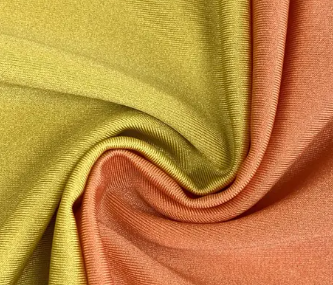
I believe the key is the weft knit structure. Most top rugby jerseys have a double jersey knit. Why is this important? This fabric is special. It’s a smart weave made with two sets of needles. The inside layer sits on your skin and lets it breathe. I find this helps stop you from getting too sweaty by halftime. The outer layer has a tighter weave. It pushes sweat away from you instead of trapping it.
-
Double jersey knit: This is the go-to for pro jerseys. It’s tough and comfortable.
-
Engineered weaves: I have seen that makers pick materials like interlock or poly-spandex blends. They do this to get the right amount of stretch and support.
Material Innovation
Today’s best options are often 100% polyester. Some add spandex for more stretch. Based on my experience, what you need determines the blend. If you want stretch, softness, or pure toughness, makers use different mixes.
-
290g polyester-spandex blend: I suggest this for jerseys that need to bend without breaking. It’s strong for contact but moves with you on sprints.
-
260g supersoft poly-spandex: This one is extra comfortable. I think it’s still tough enough for any practice or match.
-
269g interlock: I’d say this is the best choice for staying dry. It also helps the jersey look good after each game.
Reinforced for Rugby Apparel
Every field jersey has reinforced seams. You’ll find them in high-stress areas like the neck, shoulders, and sleeves. If you look at pro gear, I’ve noticed they use double-stitched or even cover-stitched seams. This is necessary. It just ensures the jersey survives rough tackles and grabs.
-
Reinforced seams: I feel these are crucial for a long-lasting and safe jersey, particularly on shoulders and arms.
-
Cover-stitching: This type of stitch stops rips. It also keeps the fit the same, from one match to the next.
Fit & Fiber Engineering
In the past, elastane gave jerseys their stretch. From what I see now, most rugby jersey maker use special polyester yarns. These yarns are made to stretch just right and keep their shape. I like that jerseys come off after a match without a struggle and don’t get saggy during the game.
-
Athletic fit: I’d say this fit makes it harder for opponents to grab you. It also helps you move freely.
-
Engineered fibers: These provide good stretch for performance. There’s no sagging or dragging.
Key Features of High-Quality Rugby Jersey Fabric
Durability & Strength
To me, toughness is the most important job for any rugby jersey. This is why most top designs begin with polyester. It is valued for its strength and resistance to tearing.
– Fabric weights are key: Youth or training jerseys are lighter, around 150–220 gsm. Adult game shirts are made heavier, in the 220–300 gsm range. This offers more protection during intense play.
Moisture Management & Player Comfort
No player wants to feel soaked by halftime. The good news is that leading rugby apparel supplier use special polyester knits. I recommend fabrics like PROwick or Dry-Flex. They pull sweat from the skin and release it, so it won’t slow you down.
– Helpful textures: I’ve seen how “Bird-eye mesh” lets jerseys dry fast and breathe well. “Wire mesh” increases airflow for hot, tough matches. “Milk silk” polyester feels smoother and softer. I’ve found players like this extra comfort during long scrums.
Breathability and Ventilation
Smart fabric design helps you beat the heat and humidity.
– Technical knit options: I suggest these for staying cool.
– Interlock (132g/m²) and high-count air knit (135g/m²) keep air moving on sunny fields.
– Tricot mesh (165g/m²) provides more ventilation with good coverage.
– Many game jerseys also add SPF 30+ UV protection. In my opinion, preventing sunburn should be part of the kit.
Related Reading: Men’s vs Women’s Sports Jersey: A Complete Guide to Cut, Style and Fit
Manufacturer Certifications and Standards
World Rugby Approval: The Gold Standard
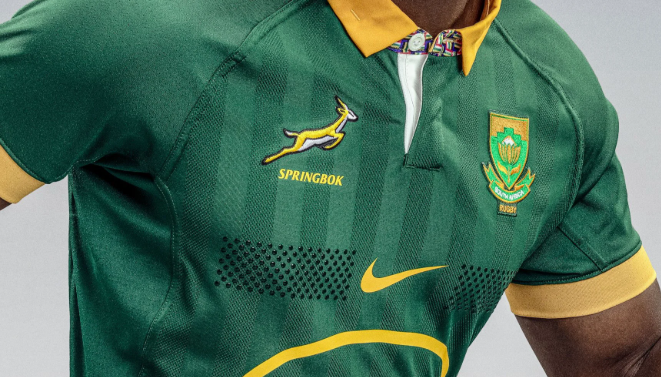
World Rugby rules say all gear, from jerseys to padding, needs testing at an official World Rugby Test House. A jersey must pass these tough checks to earn the World Rugby Approved Mark. I suggest you always look for this mark on the product.
Regulated Logo Placement and Size
– Official match jerseys and officials’ tracksuits: Logos can be no bigger than 100 cm². There are also strict rules on where they can be placed.
– Baselayers and protective equipment: Logos must be smaller, at 25 cm². If you wear layers under your kit, the rules for marks are even stricter.
– Boots: What’s surprising is there are no restrictions here. Kickers can celebrate.
Certifications for Safety and Responsibility
– OEKO-TEX Standard 100: Jerseys need to pass this test. It proves they are free of harmful chemicals.
– WRAP/Sedex audits: Factories must pass these audits. They show the workplace is ethical and responsible. No shortcuts are allowed.
What Matters Most When Choosing a Rugby Jersey

Sustainability
More people, including myself, want products that are good for the planet. Sustainable choices are becoming popular. You’ll find recycled polyester, eco-friendly textiles, and smart production methods becoming the standard. Teams, leagues, and fans are all part of this change, so you can wear your values with pride.
Customization
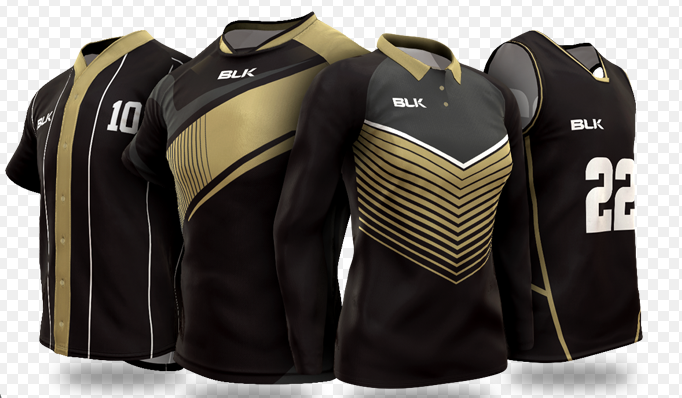
The days of one-size-fits-all shirts are gone. Now, customization is key. You can add your name, number, team logo, or even special colors and sponsor marks. New printing tech, like high-quality sublimation, makes this happen. It allows teams and fans to create unique, limited-edition jerseys that feel personal.
Brand, Endorsement & Why It Matters
A jersey with a story means more. I find that buyers prefer big names and official endorsements. A shirt connected to a star player or worn in a world championship has more appeal. That rugby jersey builder trust and athlete connection is very important. These partnerships are not just for marketing. They influence what fans choose to wear.
Innovation Features
For those who want the latest tech, some jerseys offer more. They might have built-in smart fabrics and sensors. These can track your game-day performance, heart rate, or even your hydration. I believe this is the future for tech-focused pros and stat-loving amateurs.
Regional Reach
One last thing I always tell buyers is that availability is important. In regions where rugby is not as common, finding the right jersey can be a challenge. I see smart rugby jersey factories are closing these gaps. They use local marketing and special releases for certain areas. They aim to bring pro-level gear to fields everywhere.
Customization Options in Custom Rugby Jerseys
Creating custom rugby jerseys offers more choices and fun than most people think. It’s not just about picking colors or adding a logo. There are many real possibilities from rugby jersey suppliers.
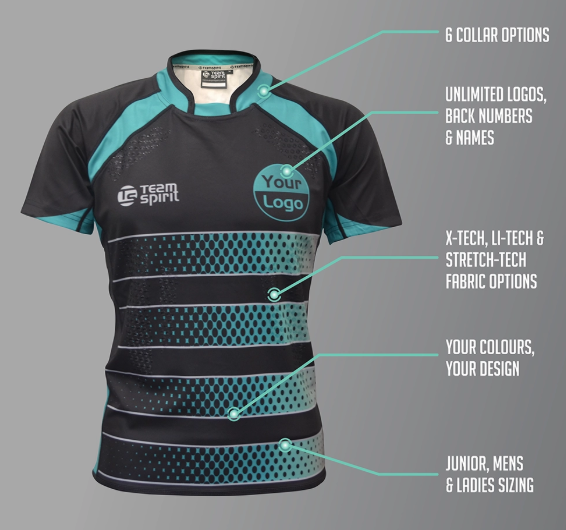
Neckline Design
Custom rugby jersey’s neckline is crucial. It affects both style and how players feel on the field.
– Classic taped crew necks: Durable, preferred by pro teams for withstanding tackles
– V-neck: Offers comfort and freedom of movement.
– Buttoned/Stand-up collar: Vintage aesthetic, with options for contrasting colors or collar logos.
– Reinforcement: Double stitching and neck tape add longevity.
Fit Choices
Modern teams often prefer the “Pro-Fit” or tight/athletic cut. This fit makes it harder for opponents to grab onto the jersey. The “Traditional Fit,” which is a looser, classic cut. This style is popular for social games and retro teams.
Some rugby football jersey manufacturers offer even more choices. You can find up to six different base styles, including Traditional, Modern, Tribal, and more. Sizes for adults and youth cover a wide range, usually from XS to 4XL.
Customization Tech
Modern customization is more than a simple checklist. Take Rugby’s jersey builder. It lets you choose the style, fit, and fabric for every detail. They have no minimum order, so you can buy one jersey or enough for a team of thirty.
Here are some key points I think are important:
– Most major rugby apparel manufacturers offer at least 2–3 neckline choices and several fits.
– Size ranges are wide, usually from youth XS to adult 4XL.
– You can customize almost everything: colors, logo placement, player names and numbers, and even trims on the neck and cuffs.
– Many rugby jersey makers allow reorders for as few as 7 pieces, and some have no minimum at all.

Related Reading: 9 Best USA Custom Jersey Manufacturers for Wholesalers

Conclusion
After diving deep into rugby jerseys with experienced jersey manufacturer—from fabric technology to customization options—I’ve learned they’re more than just uniforms. They’re carefully engineered pieces of equipment that balance durability, comfort, and performance. Whether you’re choosing moisture-wicking polyester for hot weather or reinforced seams for tough matches, every detail matters. I believe the best jersey is one that lets you focus on the game, not on what you’re wearing.
To learn more about custom sublimated rugby jersey, wholesale rugby jerseys , please visit Ballsjersey or [email protected] to contact us.