
Custom jersey printing is more than just putting a name on a piece of clothing. It is a unique way to show your personality and unite your team. When many customers work with us to customize jerseys, they pay special attention to the effect and quality of the printing – after all, this directly determines the texture and recognition of the jersey.
Truly excellent printing technology is never as simple as printing ink on fabric, but also about making the design stand the test of time. Let us explore the world of custom jersey printing together: here, creativity and practicality are cleverly combined, from design conception to process selection, every step affects the final effect. Find the way that best suits your needs to transform your vision into a unique jersey that is both vivid and durable.
Comparison of Main Jersey Printing Methods
| Factor | Screen Printing | DTG | DTF | Dye Sublimation | HTV |
|---|---|---|---|---|---|
| Bulk Orders | Best, low per-piece cost | Poor | Decent | Not ideal | Not good |
| Small Runs | Costly | Best | Good | Medium | Best |
| Design Detail | Limited | Excellent | Excellent | Excellent | Simple only |
| Fabric | Cotton/blends | Cotton | Any | Polyester only | Any |
| Durability | High (with care) | Medium-High | Good | Highest | Good |
Screen Printing

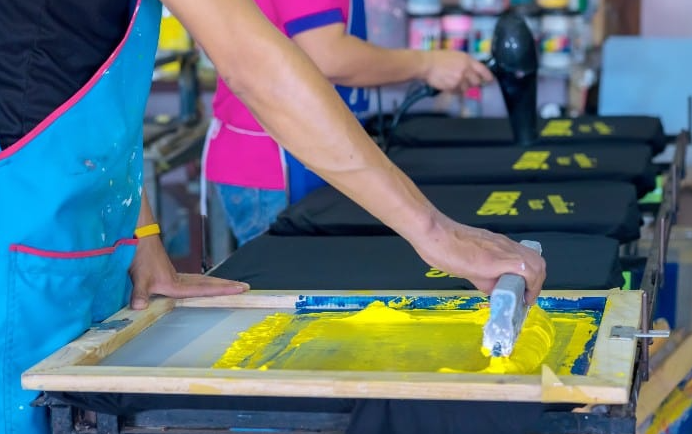
Screen Printing is a top choice for large teams and events. I find it very durable; the prints can last for over 100 washes. I suggest it for simple, bold designs. The price per shirt goes down as you order more. You will often get a good discount if you order 50 or more pieces.
Key Advantages:
– Very Durable: Lasts for over 100 washes without breaking down.
– Cost-Effective in Bulk: The price per shirt drops a lot with more volume.
– Vibrant Colors: You get solid, bold prints that resist fading.
Suggest using it for team uniforms, school spirit wear, or any time you are printing the same design many times.
Direct-to-Garment (DTG)

DTG like a very specific tool. It’s great for certain jobs but not for everything. The process uses a special inkjet printer to put ink right onto the cloth. This creates photo-like images that screen printing cannot achieve. In my opinion, DTG is powerful because of its limitations. It works best for small orders and on cotton fabrics.
Suggest this for 1-25 jerseys that have complex, detailed designs.From what I’ve seen, it lasts for about 50 washes before the print starts to fade. I don’t consider this a flaw. It’s the trade-off you make for getting amazing detail.
Key Advantages:
– No Minimum Orders: It’s perfect if you want to test a design or just need one item.
– Photo-Quality Detail: Gradients, photos, and complex art all look sharp.
– Soft Feel: The ink soaks into the fabric instead of sitting on top.
Suggest using it for custom jerseys for fans, personalized gifts, or making a sample before you order a large batch.
Dye Sublimation
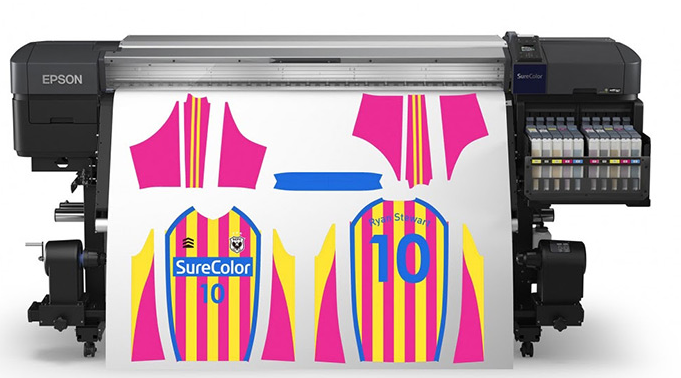
Dye sublimation does not print on top of the fabric. It uses heat and pressure to turn the ink into a gas. This gas bonds with the polyester fibers. The result is a print that I know will not crack, peel, or fade. It is bonded with the material.
I recommend this for athletic clothing with edge-to-edge designs that need to be very durable.This process requires polyester or high-polyester blend fabrics. I don’t see this as a downside. It is what makes the strong chemical bond possible.
The Permanent Advantage:
– Lasts Forever: The print is part of the fabric, so it won’t wash out.
– Handles Complex Colors: It can reproduce gradients and photos without a problem.
– All-Over Printing: You can cover the entire shirt with your design.
Suggest using it for athletic jerseys, race shirts, or any gear that will get rough use and lots of washing.
Direct-to-Film (DTF)
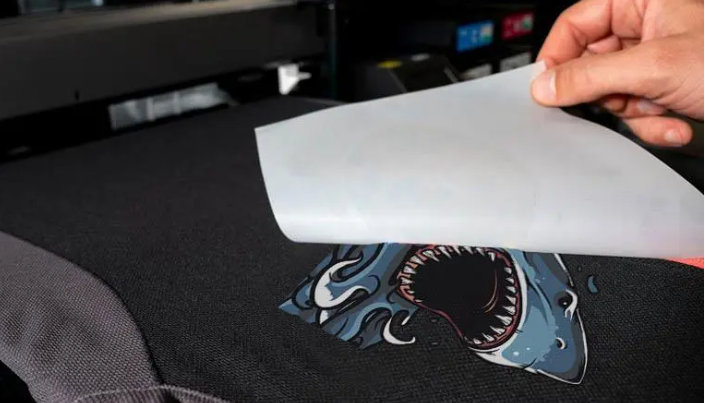
DTF is a great bridge. It offers the detail of DTG, but you can use it on many different fabrics.First, DTF prints your design onto a special film. Then, it’s heat-pressed onto the shirt. This two-step approach gives you freedom with fabric choices. At the same time, you get to keep your prints vibrant and full of detail.
I suggest this for small to medium orders (5-50 items) that need bright colors on different kinds of fabric.The print has a slightly raised, plastic-like feel. This is different from DTG, where the ink soaks into the fabric.
The Flexibility Advantage:
– Works on Any Fabric: You can use it on cotton, polyester, blends, and even nylon.
– Bright Colors: It’s a great choice for designs with rich, bright colors.
– Good Durability: It lasts longer than DTG but not quite as long as screen printing.
Suggest using it for orders with mixed fabric types, promotional gear, or when you aren’t sure what the material is.
Heat Transfer Vinyl (HTV)
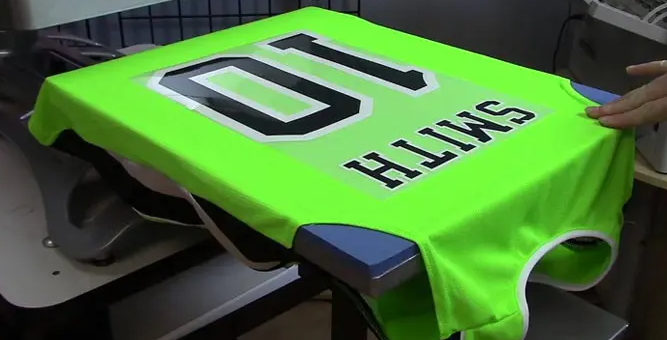
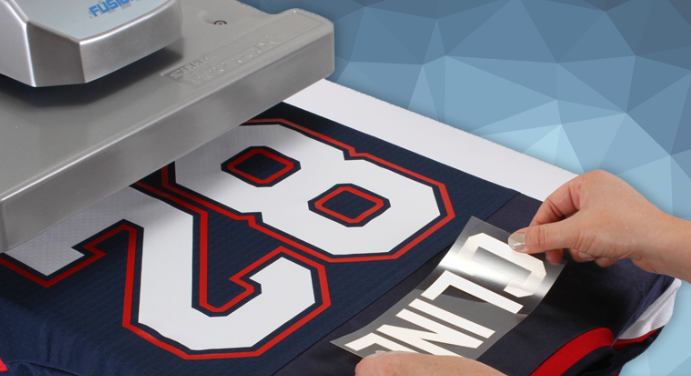
HTV as a process of removal. You cut away the excess vinyl, and what’s left is your design.A machine with a computer-controlled blade cuts designs from colored vinyl sheets. The cut-out design is then fused to the fabric using heat and pressure. From my experience, this process is ideal for bold, simple designs that need clean edges.
Recommend this for adding names, numbers, or simple logos to a few jerseys at a time.The very large graphics can make the fabric feel stiff and hard to move in.
The Precision Advantage:
– Sharp Edges: The computer cuts with a precision that is impossible to get by hand.
– Great for Personalization: It’s my go-to for adding custom names and numbers.
– Ready to Wear: There is no need for drying or curing time.
Suggest using it for personalizing team rosters, making event shirts with names, or any design that depends on clean text.
Factors to Consider When Choosing a Printing Method
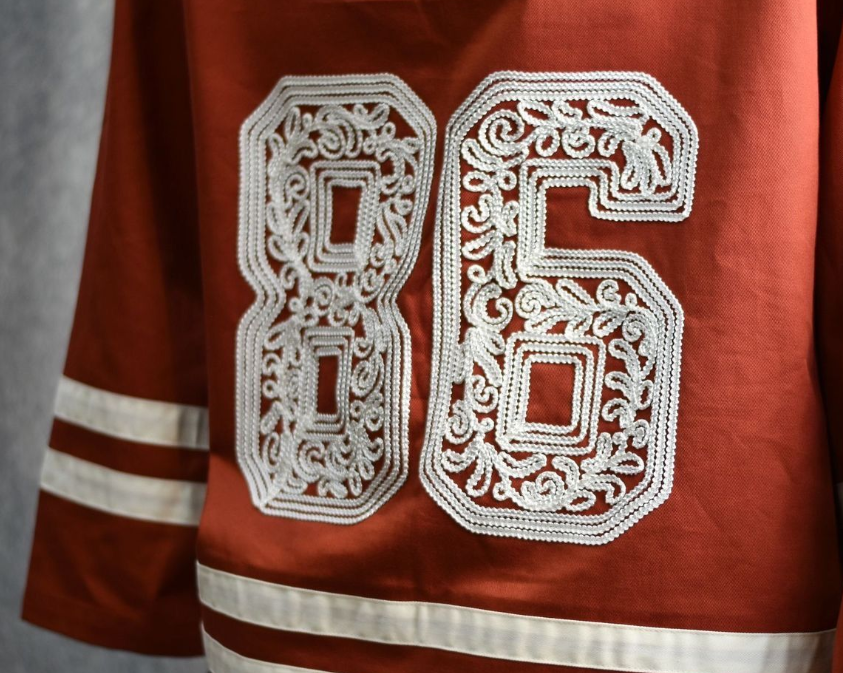
Choosing the right print method for custom jerseys means making small, smart choices. From my experience, the best results come from having clear goals. I’ll show you how I think about it, trying to get 1% better with each decision.
Design Complexity
- Screen Printing: For bold logos and simple graphics. Industry data shows screen printing has over 56% of the market share. I think it’s because it creates sharp, bright colors and clean lines for simple art.
- DTG and Dye Sublimation: For photos or designs with lots of detail and color fades, I find these methods work best. They handle complex art well and give you rich, clear prints.
- DTF (Direct-to-Film) is a great middle ground. It handles detailed designs on almost any fabric. I see it as a useful choice when you need to be flexible.
Order Quantity
- Screen Printing: The math changes with bigger orders. The first-time setup can cost $20 to $50 for each screen. If you order 50 or 100+ jerseys, the price for each one drops a lot. I’ve found this is why teams use it for consistent results and lower costs.
- DTG, HTV, DTF: For just a few jerseys or even a single one, these methods have no setup fees. You get your jerseys fast and save money on small orders. This lets you test new designs without a big investment.
Fabric Type
- Sublimation: This method works only with polyester and poly-blends. The ink becomes part of the fabric, so the design will not crack or fade. I recommend it for lasting, all-over designs on athletic apparel.
- Screen Printing & DTG: From my experience, both work great on cotton or cotton blends. DTG ink soaks into the cotton, which gives you a soft feel and detailed look.
- DTF: This is your flexible option. It works with almost any fabric, including cotton, polyester, and blends. I think it’s a smart backup plan when you have different types of material.
Budget
- Screen Printing: You do have setup costs, but think of them as an investment. The more you print, the less each jersey costs. For large orders, I believe it offers some of the best value.
- DTG, DTF, HTV: There are almost no startup fees. For small orders, I’ve seen that you usually pay just $10–$20 more than the blank jersey’s cost. This is a very efficient way to print.
- Dye Sublimation: The setup costs are in the middle range. Its long life makes up for the expense. For the correct fabric, I feel the investment is worth it because the print will last.
Durability
- Dye Sublimation: A dye-sublimated design becomes part of the shirt. It will last as long as the shirt itself. The print will not peel or fade. Based on my experience, this is the best long-term option.
- Screen Printing: This method is very tough. If you take good care of it by washing it inside out in cold water and letting it line dry, you can expect it to last for 100+ washes before it shows wear.
- DTG and DTF: I find these are perfect for regular use. On 100% cotton, a DTG print holds up quite well. On blended fabrics, you might notice some fading a bit earlier.
After Care and Maintenance Guide
Turn Jerseys Inside Out
Every wash affects how long your jersey lasts. I suggest turning your jersey inside out before washing or drying. This protects the prints and stitching from rubbing. This small step keeps the colors and design looking great.
Wash in Cold Water on a Gentle Cycle
I always suggest cold water. It helps prevent shrinking and fading. A gentle cycle means less rubbing, which protects the fabric and the print.
If you want even better results, I recommend hand washing. Just 10 minutes of soaking in cold water with a mild soap can make a huge difference.
Choose the Right Detergent
In my opinion, using a mild detergent is a must. Bleach, strong chemicals, and fabric softeners damage both the colors and the threads. For a tough stain, you should skip the harsh products. I suggest using a gentle stain remover or a bit of white vinegar instead.
Don’t Overload the Machine
You might think packing the washer saves time. But too many clothes rub together. This friction can make prints crack and fade. Fewer items in the wash means each shirt gets cleaned more gently.
Wash with Similar Fabrics and Colors
Zippers, buttons, and rough fabrics can ruin prints. I recommend keeping jerseys with similar, soft materials. Leave the rougher items for a separate load.
The Numbers Behind Print Longevity
Improper care can cut the life of your custom print by 40–60%. This means using high heat, bleach, or harsh soaps. A jersey that should look sharp for years might start to fade or crack in a single season if you skip these simple steps.
Conclusion
I’ve learned that choosing the right jersey method isn’t just about technical specs—it’s about understanding what matters most for your specific project. Every time I help someone make this decision, I see how the perfect combination of method, fabric, and care can create something that lasts and brings real joy. Whether it’s a team coming together for the first time or friends celebrating a milestone, the right jersey becomes more than clothing. It becomes a lasting reminder of shared experiences and personal expression.
Contact us now and tell us your jersey customization needs: whether it is the size of the team, design inspiration, or expectations for materials and durability, Ballsjersey will provide you with a one-stop customization solution to turn your exclusive jersey from conception into a wonderful finished product that is within your reach.