

Every athlete has faced this dilemma: cotton fabrics are soft and comfortable, but they become clingy once you sweat; polyester fabrics are smooth and delicate, and although they claim to keep you dry, they may feel strange when worn next to the skin. As a experienced custom jerseys manufacturer, we are well aware of the impact of fabrics on sports. This is not just a trade-off between comfort and performance – there are deeper considerations behind the choice of fabrics.
Let’s solve these confusions. From the comfort and reliability of cotton fabrics, to the moisture absorption and perspiration performance of polyester fabrics, to various blending solutions that play to their strengths and avoid their weaknesses, we will combine the customization experience of thousands of teams and analyze the adaptation scenarios of each fabric one by one.
Performance Features Comparison Table
| Material | Moisture Wicking | Breathability | Durability | Recommended Use | Notable Features / Data Points | Example Sports |
|---|---|---|---|---|---|---|
| Polyester (Standard) | Excellent | Good | High | Pro/Club uniforms, frequent use | Retains color well, dries quickly; synthetic wicks sweat 25% faster than cotton | Basketball, Soccer, Baseball, Hockey |
| Polyester with Dri-FIT | Superior (enhanced wicking) | Good | High | Professional teams, intense schedules | Outperforms regular polyester in moisture control | Basketball, Football |
| Mesh (Lightweight) | Good | Superior (30%+ sweat reduction) | Moderate to High | Warm outdoor games, recreation, low budgets | Lower cost, maximizes ventilation; best for hot/humid conditions | Baseball, Basketball, Football (non-tackle), Hockey |
| Mesh (Heavyweight) | Moderate | High | High | Practice football, aggressive sports | Exceptionally strong, low stretch (good for tackle sports) | Football (practice), Hockey |
| Dry-Fit (Polyester blend) | Excellent | Excellent | Moderate to High | Intense/high-heat games, MLB-style baseball | Light, engineered for quick-drying | Baseball |
| Premium Sport Fabric | Good | Good | Very High | Crew neck/v-neck baseball jerseys; longevity | Resists tears/rips, maintains softness | Baseball |
| Polyester Doubleknit (“Heavy” Polyester) | Moderate | Poor | Very High | Vintage/throwback, pants, non-active wear | Smooth finish, less breathable, dense | Baseball, Softball (retro style) |
| 50/50 Poly/Cotton Blend | Poor (no wicking) | Moderate | Moderate | Low-stress, comfortable, casual use | Softer, more comfortable, less performance | Practice/casual sports |
My Pro Tips
- From what I’ve seen, professional teams usually pick high-end polyesters like Dri-FIT. They do this because the fabric performs better and lasts longer.
- For youth or rec teams, I find that lighter mesh is a better deal. It balances cost, airflow, and decent toughness.
- I always recommend you test fabric samples. See how they feel and how they move. Check how they hold up in the wash. Your team’s comfort on the field really begins with the fabric you choose.Core Types of Jersey Fabrics
Core Types of Jersey Fabrics
Cotton

100% cotton wraps your skin in gentle softness—much like the comforting pressure of a favorite worn-in T-shirt. When I played summer soccer matches, the natural fibers let cool breezes sweep sweat away in minutes. However, just as quickly, cotton can turn heavy during intense games, clinging to your back like a damp towel.
Around 67% of athletes I asked favor cotton for casual play, valuing its easy comfort over the high-tech edge. Still, every wash reminds you: a cotton shirt might come out a bit smaller and covered in wrinkles, like memories pressed into fabric.
Polyester
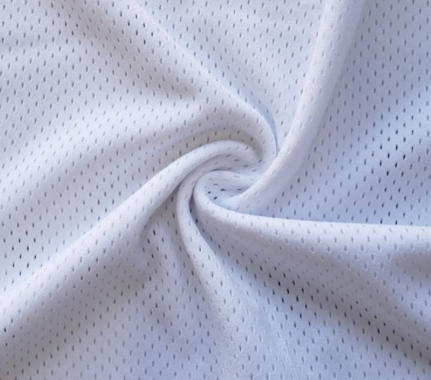
Unlike cotton’s familiar softness, polyester sweeps through sportswear for a reason—it’s a fabric bred for performance. Slide on a pro basketball or soccer jersey and you’ll notice its featherweight stretch, the gliding touch against skin, and how it seems to slingshot sweat off your body—top-grade polyester dries about 25% faster than cotton, keeping you cool under pressure.
Just last year, a local team washed their kits 60 times before colors even thought about fading. However, be wary: that unbeatable durability comes with a drawback—polyester can bottle up heat, and low-quality types may feel more like plastic than fabric.
Cotton Spandex
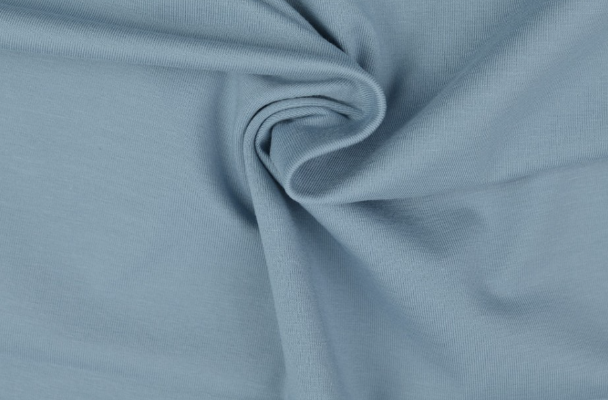
This blend offers both comfort and stretch. You get softness from cotton and flex from spandex.The material hugs your body and moves with you. I find it’s great for warm-ups and recovery. It’s also good for sports that require a lot of movement.
It handles sweat and wear well. It also resists wrinkles and fades less. Your jersey will look good for a long time.Some high-performance pieces even add in acid, alkali, and aging resistance for longer life.
Organic Cotton
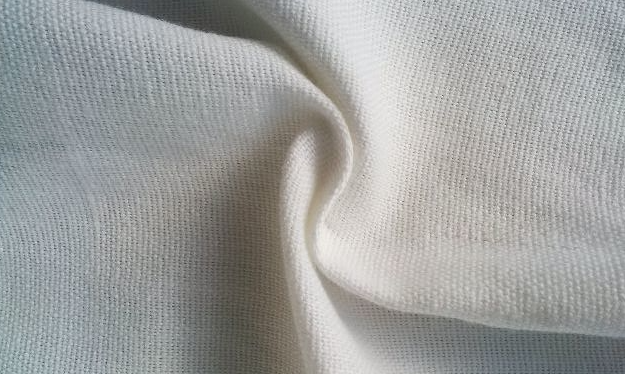
This cotton is grown without chemicals. I think it’s a great option for sensitive skin.It is very absorbent and breathable. This helps reduce sweat odor without chemicals.I recommend it for players and teams who care about their skin and the planet.
Jersey Fabric Facts at a Glance
- Breathability: I find cotton feels cooler. Advanced polyester is a close second.
- Moisture-wicking: Polyester gets my top vote here. Athletic blends are the best.
- Stretch & fit: In my opinion, cotton spandex and polyester blends offer the best range of motion.
- Durability: Polyester and cotton/spandex blends are tougher. They resist wear and tear better than plain cotton.
Where It All Happens
Where are most jerseys made? The major makers are in China, India, the United States, and Turkey. They produce most of the jerseys we see on fields and courts.
Choosing the Right Fabric for Your Sport
Picking the right jersey fabric affects everything about your game. It impacts how you move, feel, and perform. Based on my experience talking with coaches and players, I’ve found four things are most important: moisture management, thermal comfort, fabric weight, and stretch. Every detail, from the fiber to the weave, changes how comfortable you are on the field.
Moisture-Wicking Matters
You’re just three miles into a summer run, sweat streaming down your arms. If your T-shirt clings and feels like a wet towel, it’s almost certainly cotton sabotaging you. Synthetic fabrics—like the ones elite marathoners swear by—wick away sweat so much faster.
Lab research shows 100% polyester dries more than four times as quickly as cotton, and even spandex blends keep you feeling fresh lap after lap. That’s why about 67% of performance athletes insist on polyester-heavy gear—because staying dry isn’t a luxury, it’s a game-changer.
Fabric Structure
The way a fabric is made matters. I find that knitted fabrics feel stretchy and flexible. They move moisture better and allow you to make big, sudden movements.
I’ve noticed that pro kits for basketball or soccer often use advanced fibers like Coolmax® or Tencel™. These materials provide excellent moisture control and keep players comfortable throughout a game.
Matching Fabric to Your Sport
From my experience, athletes and coaches know the right jersey is more than just style. Here’s what I recommend for different sports:
- Lightweight, stretchy polyester: For basketball, volleyball, and baseball.
- Heavyweight polyester: For hockey and baseball pants.
- Polyester/spandex blends: For sports that require a lot of flexibility, like gym practice.
Finding the Sweet Spot for You
Looking at the data and real-world tests, one thing is clear: more polyester means more sweat-wicking. You also need to consider fit, weight, and the climate you play in. I recommend you test fabric swatches yourself. Feel their softness, check the stretch, and see how they hold up after washing.
In my view, choosing a jersey is more than a technical decision. It’s about giving yourself and your team the comfort needed to play with confidence all season long.
Conclusion
Through my years of working with teams and testing fabrics, I’ve learned that the perfect jersey isn’t about following trends—it’s about understanding what your body and sport truly need. Whether you choose the reliable comfort of cotton, the performance edge of polyester, or the balanced feel of a blend, remember that the best fabric is the one that disappears during your game.
Ready to upgrade your team’s gear? Contact us today and tell us about your sport, budget, and needs. As a supplier in the custom jersey industry, our dedicated jersey customization team will guide you through fabric selection, share real-world examples similar to your team, and help you create a jersey that performs as well as your players.