

When choosing custom jerseys for your volleyball team, have you ever wondered: What material best enhances on-court performance? Whether in intense competitive matches or daily team training, the fabric you choose directly impacts your athletes’ comfort, mobility, and endurance. From moisture-wicking polyester to ultra-stretchy spandex blends, each material carries a distinct performance mission.
This article will delve into the most popular volleyball jersey materials worldwide, including polyester, recycled polyester, and bamboo fabric, as well as the actual performance of key blend ratios (such as 95/5 poly-spandex). We’ll also compare the pros and cons of traditional and sublimated custom volleyball jerseys to help you make a professional purchasing decision that meets your team’s needs.
Popular Volleyball Jerseys Materials
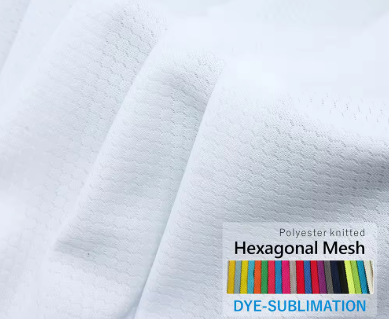
Polyester
For competitive play, I always recommend polyester. It pulls sweat from your skin fast to keep you dry inside hot gyms. This fabric is also tough, so it’s a great choice for aggressive play and humid conditions.
Polyester-Spandex Blends (5-10% spandex)
I find that blending 90-95% polyester with 5-10% spandex adds excellent stretch. This gives you four-way mobility. You can dive, leap, and reach without the jersey holding you back. Many jerseys use these blends for mesh panels under the arms for more airflow.
Recycled Polyester
If your team wants a green option, I suggest recycled polyester. It is just as tough and sweat-wicking as new polyester. Its main benefit is a much smaller environmental impact. You get a high-performance jersey and help the planet.
Bamboo Fabric
Bamboo is an interesting new choice. I see it as a soft, very breathable material. Teams that want a unique feel and another earth-friendly option are giving bamboo a try.
Mesh Panels & Inserts
Good ventilation is essential on the court. Based on my experience, mesh inserts are put under the arms or down the sides. They are often a light polyester or spandex blend. These zones let heat escape and fresh air enter. This keeps you from overheating during long rallies.
Fabric Weight (GSM):
A light fabric can still be strong. Most volleyball jerseys weigh between 120gsm and 160gsm. From my perspective, this range is ideal. It gives a lightweight feel but lasts the entire season.
Micro Denier Polyester, Modal, Polypropylene:
For top-tier sweat management and comfort, I recommend these materials. They are made to keep you cool and comfortable in the most demanding games.
Volleyball Jersey Material Composition: Blends and Ratios

Polyester-Spandex Blends
I suggest a polyester-spandex blend for players who need more stretch in their gear. My favorite ratios are 95% polyester / 5% spandex or 88% polyester / 12% spandex. The small amount of spandex adds fantastic four-way stretch. You will feel this when you jump or dive for a save. Based on my experience, these blends follow your every move. They fit snugly but are never too tight.
Nylon-Polyester Blends
Some games demand a tougher jersey. For that, I point to the 50% polyester / 50% nylon or 60% polyester / 40% nylon blends. I find these combinations feel tougher and smoother. They also resist scrapes well, which is helpful during intense games. There is a trade-off, in my opinion. They are not as breathable as pure polyester and often cost a little more. For pure toughness, though, I think they are an excellent choice.
Cotton Blends
I also see cotton jerseys, but it’s not common at the pro level. You might find it mixed with spandex, like in an 80% cotton / 20% spandex blend. This creates a very soft and stretchy fabric. It can stretch up to 20% more than other synthetics. If you care more about comfort than breathability, I think this blend is a good option for casual or practice volleyball jerseys.
Quick Guide to Jersey Ratios
-
100% polyester – Keeps you dry, feels light, and is great for fast plays.
-
95% polyester / 5% spandex – Adds a little stretch for quick movements.
-
88% polyester / 12% spandex – More flexibility for big plays.
-
80% cotton / 20% spandex – Not common, but very soft and comfortable.
-
50% polyester / 50% nylon – Extra strong and resists scrapes during tough matches.
For me, the materials and how they are mixed are what make a jersey great. Polyester is the main ingredient. Spandex or nylon are added when a team needs more stretch or strength. I believe the final product is a jersey that helps a player’s performance. It’s not just about looks; it’s about supporting them through every point, set, and match.

Related Reading: Top 9 USA Premium Basketball Jersey Makers for Bulk Orders
Volleyball Apparel Material Properties and Performance Benefits
Breathability and Moisture-Wicking
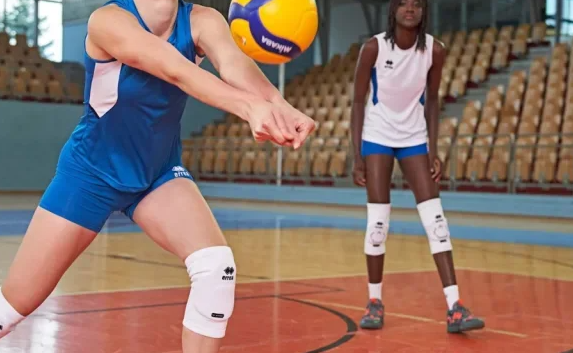
Heat and sweat can slow you down. That’s why I always recommend jerseys with breathable fabrics. These often feature open-weave mesh panels placed under the arms or down the sides. This design keeps air flowing, helps players stay cool, and improves performance. I also suggest looking for moisture-wicking technology. For example, Adidas Sublimation Jerseys (91% polyester/9% Lycra with Climacool®) pull sweat away from your skin. These jerseys dry very fast, so you feel fresh, not damp.
Brand example: Adidas Sublimation Jersey (Climacool® tech, 91% polyester / 9% Lycra)
Lightness and Unmatched Stretch
I think a great jersey should feel like you’re wearing nothing at all. Lightweight construction is vital for speed. No player wants to feel weighed down when diving. In my opinion, blends like the Mizuno Sublimated Jersey (86% polyester/14% spandex) give you a “barely-there” feeling. This allows you to move without restriction. The secret ingredient? Spandex or Lycra for four-way stretch. This gives you the quickness and flexibility to leap, twist, and make a save.
Brand example: Mizuno Sublimated Jersey (86% polyester / 14% spandex)
Durability and Lasting Vibrant Design
Let’s talk about getting your money’s worth. These jerseys should be built to last. I find that polyester is the workhorse here. It holds up to rough play and frequent washes without losing its shape or color. I also recommend sublimated prints, which bake the design right into the fabric. This means your team’s logo will stay clear and sharp. It won’t fade, peel, or crack after a long season.
Comfort and Gentle Feel
No one likes a scratchy seam or a collar that chafes. Today’s best jerseys offer pure comfort. They feel smooth and soft. They are gentle on your skin, even during long, dramatic rallies. This helps you focus on the match instead of your clothing.
Why It All Matters: Real Benefits for Real Players
Based on my experience, these features truly deliver:
– Sweat evaporates faster, which cools you down during intense games.
– The fabric dries quickly to keep you feeling fresh and stop odor.
– You get complete freedom of movement with a fit that stays perfect.
– Colors and prints will not quit, thanks to sublimation.

Related Reading: Where To Buy Football Jerseys In Paris
Comparison: Traditional vs. Sublimated Volleyball Jerseys
Choosing volleyball jerseys involves more than the material. From my experience, how the design is applied and how your jersey performs on the court are just as important. I want to break down the real-world differences between traditional and sublimated jerseys for you.
Traditional Volleyball Jerseys: Familiar, Simple, and Budget-Friendly
Traditional jerseys are the classic choice. They use heavier fabrics, like cotton or a cotton-polyester blend. All your designs, numbers, and logos are applied using screen printing or heat transfer. This process puts the graphics on top of the fabric. In my experience, this means you will see cracking and peeling after a few washes or a rough match. The fabric feels thicker, but this comes at the cost of airflow and flexibility.
-
Pros: They have a lower upfront price, which I think is great for leagues on a budget. The simple designs work well. If you like a classic look, it’s a good place to start.
-
Cons: Your design options are limited. You get a few bold colors and maybe a simple logo outline. You can’t get complex, multi-color graphics. I’ve seen them fade, crack, and show wear before the team’s second season.
-
Example: A screen-printed cotton/poly jersey is a good example for a local rec league. It is affordable, but based on my experience, it looks worn out after just a season or two.
Sublimated Volleyball Jerseys: Modern Performance and Custom Branding
I suggest sublimated jerseys for a modern option. These are what I see on varsity squads, clubs, and national teams. The design isn’t printed on the fabric. Instead, it’s infused right into the fibers with a special heat-dye process. This means your crest and colors will never crack, peel, or fade. It doesn’t matter how long you play or how many times you wash it.
These jerseys are often made from 100% polyester. You can also find advanced blends like 86% polyester/14% spandex (Mizuno) or 91% polyester/9% Lycra (Adidas Climacool®). The first thing I notice is that the jersey is lighter, under 200g for an adult medium. It stretches with every move and breathes very well. This keeps you cool and comfortable in big games.
-
Pros: I love that you get unlimited, high-definition graphics. You can make your logo and story stand out on the court. The moisture-wicking is superior because of the technical fabrics. Adidas’s Climacool® tech is a great example of that cool, dry feel. Because the colors are embedded, I find the jerseys look sharp for many seasons.
-
Cons: The upfront cost is a bit higher. In my opinion, it’s a much better value for teams who want to invest once and look great all year.
-
Examples: I like Mizuno’s 86% polyester/14% spandex blend for its light feel and powerful stretch. Adidas’s 91% polyester/9% Lycra with Climacool® gives you amazing moisture control. Custom production can take three to eight weeks. From what I’ve seen, the fit and finish are worth the wait.
-
Choices: I suggest a long-sleeve for extra protection and warmth. A short-sleeve is better if you want more breathability under hot gym lights.
Eco-Friendly Edge: The Environmental Story
Here’s another thing I love about sublimated jerseys. They use water-based inks and create less waste from printing. I think it’s a smarter, greener way to keep your colors bold. Traditional printing uses more resources and inks with heavy solvents.
Side-by-Side: Traditional vs. Sublimated Volleyball Jerseys
|
Attribute |
Traditional (Screen-Printed) |
Sublimated |
|---|---|---|
|
Material |
Cotton, cotton/poly blends |
Polyester/spandex, nylon, lycra |
|
Design |
Surface print (may crack/peel) |
Embedded into fabric (permanent) |
|
Weight |
Heavier |
Lightweight |
|
Breathability |
Low–moderate |
High (moisture-wicking) |
|
Customization |
Limited/simple |
Unlimited, photo-quality |
|
Durability |
Fades and cracks sooner |
Lasts multiple seasons |
|
Cost |
Lower upfront cost |
Higher, but more value |
|
Eco Impact |
More chemical waste |
Less waste, water-based inks |
|
Common Blends |
Cotton/poly |
86/14 poly-spandex; 91/9 poly-lycra |

Related Reading: Top 5 Hockey Jersey Manufacturers In China
Conclusion
After years on the court, I’ve learned that the right jersey truly becomes part of your game. Whether you choose traditional cotton blends for budget-friendly comfort or invest in high-tech sublimated polyester for peak performance, your jersey should move with you, not against you. I believe every spike, dive, and victory feels better when you’re wearing gear that supports your passion. Choose wisely, and let your jersey be the foundation for countless memorable moments on the court.
To learn more about wholesale volleyball jersey supplier, custom sublimated volleyball uniforms and small batch volleyball jersey supplier, please visit Ballsjersey or [email protected] to contact us.