
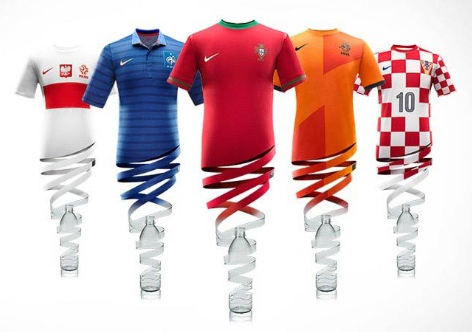
As the global call for sustainable development grows, custom jersey manufacturers, as the crucial link between brands, teams, and fabrics, are playing an increasingly important role in this transformation. When it comes to sports jerseys, performance, comfort, and appearance are becoming increasingly important, as are their environmental credentials—and custom jersey suppliers are the key force in translating these demands into reality.
Among the many fabric options, recycled polyester (rPET) is emerging as a key option for custom jersey maker, balancing high performance and sustainability for their clients. Why are these jersey manufacturers increasingly favoring rPET? What are its unique advantages over traditional fabrics? Let’s delve into the world of recycled polyester, explore the material selection logic behind custom jersey factories, and its extraordinary value in the custom sports jersey industry.
|
Aspect |
Recycled Polyester (rPET) |
Traditional Fabrics (Virgin Polyester, Cotton, Nylon) |
|---|---|---|
|
Energy Consumption |
Uses 59% less energy than virgin polyester. |
Virgin polyester: uses a lot of energy and petroleum. |
|
Resource Use |
Made from recycled plastics, mainly water bottles and old textiles. |
Virgin polyester: made from crude oil. |
|
Environmental Impact |
It reduces landfill and ocean trash. From my experience, top sports jersey manufacturers like Adidas and Patagonia have strongly adopted it. |
Virgin polyester: creates more plastic waste, growing landfills. |
|
Durability |
I find it’s just as tough as virgin polyester. It holds its color and shape after many washes. |
Cotton: wears out, shrinks, and fades. |
|
Comfort & Performance |
It feels softer, breathes better, and dries quicker than standard polyester. I think its sweat-wicking is unbeatable. |
Virgin poly: manages moisture well but feels less soft. |
|
Color Retention |
The colors are bright and long-lasting. I recommend it for custom dye sublimation printing. |
Cotton: colors fade over time. |
|
Customization |
It’s perfect for team branding and colorful designs. Your logos and artwork will look sharp. |
Virgin polyester: is good for logos. |
|
Cost |
The price is competitive. It might cost 20–30% more than virgin polyester, but it’s often cheaper than high-quality cotton. |
Cotton: usually has a higher cost. |
|
Recyclability & Circularity |
You can recycle it a few times with mechanical methods. New chemical processes can recycle it forever. |
Virgin polyester: is almost never recycled. |
|
Brand Adoption/Proof |
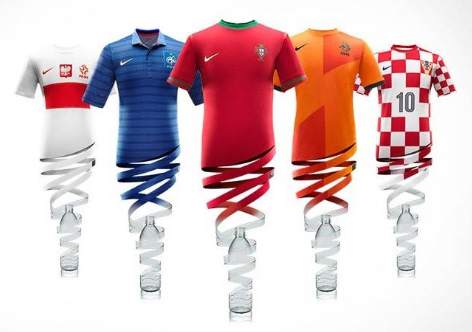
Adidas plans for 100% rPET by 2024. Patagonia has used it since ’93. Five bottles make one T-shirt. |
Virgin poly/cotton/nylon: These are industry standards, but I see less sustainable innovation with them. |
What is Recycled Polyester?
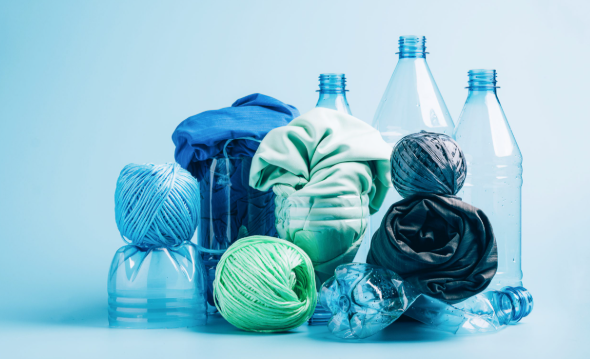
Recycled polyester, which you might see labeled as rPET, is a fabric made from recycled items. This includes used plastic bottles, factory scraps, and even old clothes. I think this is a fantastic use of waste. Instead of going to a landfill, these plastics get a new life.
How Recycled Polyester is Made
-
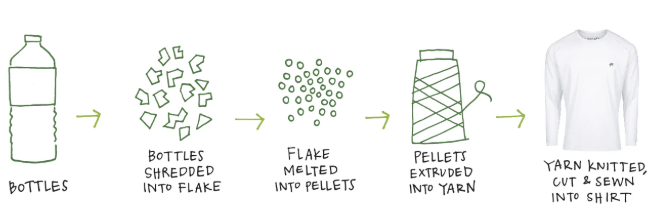
Collection: The first step is gathering waste. This is usually PET bottles, old fabrics, or leftover polyester from factories.
-
Sorting and Cleaning: Workers sort and clean all the materials. They remove any dirt or unwanted stuff.
-
Shredding and Melting: The clean plastic is shredded into small flakes, which are then melted down.
-
Extrusion: Machines then push the melted material out into long threads, or fibers. These are now ready to be made into fabric.

Related Reading: How Nike Creates 2025/26 FC Barcelona Jerseys: Secrets of Style & Innovation
Environmental Impact: Recycled Polyester vs.Traditional Polyester, and Cotton
Key Sustainability Benefits of Recycled Polyester
✅ 59% less energy than virgin polyester
✅ 76% less water used in production
✅ Reduces plastic waste (diverts bottles from landfills)
✅ 42-75% lower CO₂ emissions
Side-by-Side Impact Snapshot
|
Impact Category |
Recycled Polyester (rPET) |
Virgin Polyester |
Cotton (Natural) |
|---|---|---|---|
|
Energy Use |
Low |
High, petroleum-based |
High (from farming) |
|
Fossil Fuel Use |
Low |
High |
None |
|
Water Use |
Very Low |
Moderate |
Very high |
|
Waste & Pollution |
Diverts & reduces plastic waste |
Persistent microplastics |
Biodegradable, but pesticide run-off |
Still, neither type of polyester is biodegradable like natural fibers. And cotton has its own problems, like its high demand for water and chemicals. In my view, choosing recycled polyester for custom jerseys is a smart and effective step. It isn’t perfect, but I’m confident it is much better for our planet.
Recycled Polyester Performance for Jerseys
Durability and Wear Resistance
I recommend recycled polyester for its durability. I find its resistance to wear is excellent. It is stronger than organic cotton. After some use, it becomes even tougher than conventional polyester. This means jerseys made from rPET last longer through repeated use and washing. While traditional polyester is more flexible due to its lower density, the stiffness of recycled polyester helps the jersey keep its shape better over time.
Moisture Management and Comfort
Custom jerseys must handle sweat. This is where both virgin and recycled polyester perform well. I’ve found that jerseys made with rPET are moisture-wicking and quick-drying. They will keep you much cooler and drier than cotton will. The lightweight feel and fast sweat evaporation give you lasting comfort during a game.
Fabric Structure and Aging
Here is an interesting fact I’ve noticed: as recycled polyester ages, its fabric thickness increases by 6.6%, and it becomes less porous. New fabrics absorb more moisture. An aged recycled polyester jersey dries faster. This makes it perfect for repeated, intense use. Your jersey won’t just last; it will get better at handling tough conditions.

Related Reading: Top 7 Custom Hockey Jersey Manufacturers in Sweden for Teams
Sustainability Trends in the Sportswear and Custom Jersey Industry

Leading Brands Driving Change
Adidas is a great example with its “three-loop strategy.” I think it’s a big goal. By 2025, they plan to stop using new polyester. They will use recycled materials instead. Here are their three tactics:
– Recycled Loop: Using ocean plastics to make new jerseys.
– Circular Loop: Designing clothes that can be recycled over and over.
– Bionic Loop: Creating items that will break down naturally after they’ve been used many times.
PUMA is making a commitment, too. By 2025, they will make 75% of their apparel and accessories from recycled polyester. Based on my experience, this isn’t just for show. They have real targets and report on their progress annually.
Innovation in Materials
I see technology driving even more progress. Blended fabrics are a great example. They mix recycled polyester with materials like spandex or natural fibers. This makes clothes last longer. They perform just as well as standard jerseys. New chemical recycling can create new fibers from old clothes. This helps close the production loop. I’m also seeing more biodegradable and plant-based materials. Things like bamboo and plant-based cellulose are becoming popular in athletic clothing.
Industry Data and Consumer Trends
The data makes a clear case for this shift:
– The market for global recycled polyester grows by double digits each year. This is because of new rules and what customers want.
– Sales of sustainable activewear are a large and fast-growing part of all sportswear sales.
– For example, I found that Wolven’s rPET blends keep 270g (about 9.5 ounces) of plastic out of our environment with just one piece of clothing.
Safer Chemistry and Healthier Practices
I’ve also noticed another great improvement across the industry. Many sports uniform suppliers are getting rid of toxic chemicals like PFAS. These have been linked to health and environmental issues. They are now using safer, plant-based alternatives.
Why Recycled Polyester Is the Best Choice For Custom Jersey

Key Attributes for Sports Teams and Brands
-
Professional Performance Fabric
Most top-quality custom jerseys now use a 160gsm blend. This is typically 92% recycled polyester and 8% spandex. I think this mix is great because it makes the fabric light. It also adds stretch for better movement on the field. This material holds up game after game. It doesn’t wear out, keeps its shape, and lets players move freely. -
Customization and Fast Turnaround
Recycled polyester is simple to work with in production. This means teams and brands can get the exact fits, colors, and designs they want by custom jersey supplier. I’ve seen it work for all levels, from local leagues to pro teams. Manufacturers can produce these jerseys fast, often in 3–4 weeks, while keeping quality high. -
Superior Longevity and Wear Resistance
Lab tests show recycled polyester has excellent wear resistance. This is very clear after many washes and a lot of use. It gets 6.6% thicker after being exposed to the elements. It also dries more quickly and stays durable longer than regular polyester. In my opinion, this is the type of dependable fabric that teams should have.
Sustainability Means Smart Branding
From my experience, everyone involved in sports today—players, teams, and fans—wants brands to be sustainable. Using recycled polyester for custom jerseys is a great way to show you care.The energy savings are huge. Making rPET uses about 50% less energy than new polyester. It also reduces carbon emissions by 55%.
Technology and Market Trends
The football apparel market is worth $8 billion and is growing. People want gear that performs well and is good for the planet. The market is expected to grow by 7% each year through 2033. This proves that jerseys made from recycled materials are a real business chance.
New tech like AI for fitting and AR for trying on kits is changing how teams buy gear. I believe recycled polyester works well with these new, precise ordering methods.

Related Reading: 8 Best Football Jersey Manufacturers In Germany 2025
Conclusion
Looking back at my research and experience with sustainable fabrics, I’m convinced that recycled polyester represents the future of custom jerseys. It’s not just about following a trend—it’s about making a choice that benefits your team, your budget, and our planet. Every time you choose rPET over traditional materials, you’re helping divert plastic waste from landfills while getting superior performance. I encourage you to make the switch and be part of the solution that’s reshaping sports jersey for the better.
Ready to custom sustainable sports jerseys?
Choose recycled polyester for high-performance, eco-friendly sportswear that meets today’s sustainability standards! Want to find jersey supplier that that offers eco-friendly jersey fabric options? Contact us through Ballsjersey or [email protected] for eco-friendly custom jersey designs.