The global sports jersey market is booming, reaching $298.06 billion in 2024 and projected to grow at a compound annual growth rate of 4.3% through 2032. This expansion presents a significant opportunity for those bullish on the custom jersey industry—but only those who excel at leveraging data-driven strategies, understanding evolving purchasing trends, and delivering exceptional bespoke sports uniform services can capitalize on this opportunity.
In this guide, experienced custom jersey manufacturer delve into the latest market research, consumer insights, and operational strategies to help your private label jersey business stand out. Whether your target client is a school, league, or corporate team, learn how to optimize production, mitigate legal risks, and leverage new technologies to secure a niche in this competitive and lucrative market.
Custom Jersey Market Research and Analysis
Global Sports Jersey Market Overview
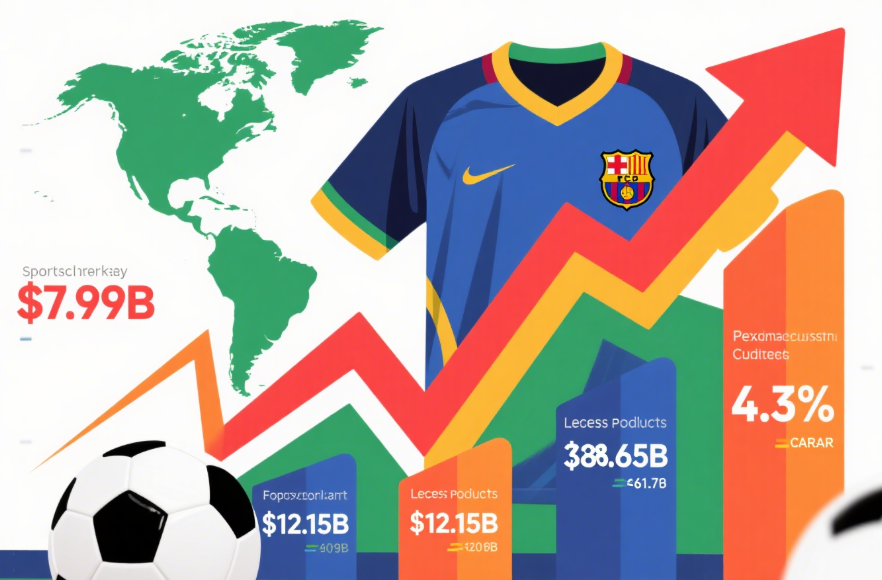
The custom sports jersey industry is not a small market.In 2024, the global Sports Jersey Market is worth $298.06 billion. I expect it to grow steadily at a 4.3% CAGR through 2032. The demand for personalized items is also growing the custom apparel market.
If you focus on football, that market segment is set to grow. It will go from $7.99 billion in 2025 to about $12.15 billion by 2033. Licensed sports products, which include fan jerseys, growing a lot. The market will expand from $38.65 billion in 2025 to an estimated $61.17 billion by 2035.
Key Segments and Buying Trends
In 2025, sports apparel will make up about 45% of all licensed merchandise sales. I’m referring to jerseys, T-shirts, and activewear that make fans feel part of the team.
Online sales are growing, but I find that 60% of jerseys and fan gear are still sold in person. People buy them at sports stores, stadiums, and other physical retail shops. More fans are buying sports-style clothing for daily comfort, not just for game days.
Data-Backed Planning Strategies
You should study fan demographics, understand local team culture, and track seasonal demand. Use this info to plan your product releases and promotions.Follow new fashion and material trends. Using eco-friendly fabrics or offering AI-powered designs can help your brand stand out.
You should build your brand’s reputation on being authentic and delivering orders quickly. Forming exclusive partnerships with clubs or influencers is also a great idea.
Based on my analysis, good market research is the foundation for your business. Using real data and understanding what customers want will help you plan smarter. You can act faster and claim your share of this growing industry.

Related Reading: How Nike Creates 2025/26 FC Barcelona Jerseys: Secrets of Style & Innovation
Creating a Business Plan for Your Custom Jersey Business
Company Description & Unique Value
First, I suggest you write a clear company overview. Who are your customers? Are they schools, local leagues, or dedicated fans? Then, explain what makes you unique. Do you offer no-minimum orders? Or maybe fast fulfillment or exclusive monogramming? These are features that competitors can’t copy. This section helps you show how your jerseys are different from others on the market.
Define Your Audience With Real Demographics
You need to know who you’re selling to. Is it local teams, leagues, or dedicated fans? I suggest using data to figure out your total potential market. Group your audience by age, location, or sport. This lets you focus your marketing efforts instead of trying to reach everyone.
Operational Blueprint
Outline your business structure. Will you work alone, with a partner, or manage a team? I suggest assigning clear roles for design, sales, production, and shipping. This ensures everyone knows their job. You should also write down your entire process. This includes everything from order placement to final delivery. Detail your supplier choices, how you’ll make the jerseys (DIY or print-on-demand), and your quality checks. I recommend you promise and deliver within a good timeframe. Right now, 10–21 days is very competitive.

Related Reading: 8 Best Wholesale Football Jersey Suppliers In Australia
Building a Powerful Custom Sports Jersey Brand
Craft a Distinct Brand Identity
I suggest you start with a unique logo, a catchy slogan, and a bold color scheme. This will set you apart from other suppliers. Every jersey you sell acts like a walking billboard. Your customers wear your gear to games, events, or just around town. This gives your business free exposure and builds trust.
You absolutely need a polished website. I suggest you fill it with eye-catching product photos and make it easy to navigate. It must also have e-commerce features. You should optimize every page for keywords like “custom team jerseys.”
Personalization: The Ultimate Advantage
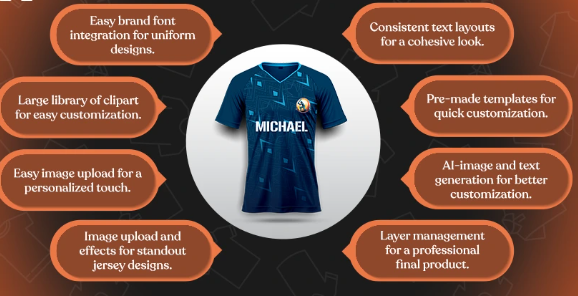
I think customization is your biggest strength in the sports jersey world. You should offer a wide selection of choices. Let customers add their own names, numbers, and logos. Provide various graphics, fonts, and colors so they can create something that feels 100% theirs.
For instance, soccer teams might like bold, energetic color blocks. Corporate leagues may prefer a classic, simple look. The more personalized the options, the more ownership customers feel. This strengthens their connection to your business.
Engage with Content That Converts
You need to keep your audience invested with fresh, valuable content. I suggest hosting tutorials on how to customize a jersey. You could share behind-the-scenes looks at your production. Launching contests and giveaways around major sports seasons is also a great idea. This creates excitement, drives shares, and turns followers into active promoters.
Legal and Administrative Setup for a Custom Sports Jersey Business
Respect Trademarks, Copyrights, and Intellectual Property
The sports apparel world has specific risks. My strong advice is to never copy official team logos or styles without a license. A design you think is “just for fun” can lead to serious legal trouble. I’ve seen startups fail from trademark lawsuits. Fines can exceed $100,000 for each violation, which could easily shut you down. To be safe, create your own original art or get the proper licenses. It’s much cheaper in the long run.
Know the Uniform Rules
If you sell to schools or youth leagues, I recommend keeping your designs clean. This means no curse words, inappropriate content, or drug references. A team could get disqualified for wearing the wrong design. A single bad design can damage your reputation with the customers you want most.
Put Every Supplier Relationship in Writing
I suggest you always get a written contract from your suppliers. This applies to local print shops and factories overseas. The contract should list everything clearly: quality rules, delivery dates, and return policies. Think of this contract as your safety net. I believe it’s a step you cannot afford to skip.

Related Reading: Top 9 Custom Jersey Manufacturers In The World
Budget and Funding for Your Custom Sports Jersey Business
How Much Does It Cost to Start Jersey Business?
I find that most small-to-medium jersey startups can expect a launch cost between $10,000 and $50,000. Your final budget depends on your business model, such as DIY production, print-on-demand, or dropshipping. It also depends on how many jersey styles you offer, your minimum order sizes, and your marketing plan.
Sample Cost Breakdown
Design and Sampling: $2,000–$8,000. If you do multiple design rounds or hire a designer, your costs will be higher.
Bulk Manufacturing: $5,000–$30,000. This is about volume. Printing 50–100 jerseys means you’ll pay more per unit. If you print 1,000+, you get better rates, but you need the money up front.
Branding & Packaging: $1,000–$4,000. Custom hang tags and bags are not cheap. I believe they give your brand a “wow” factor.
E-commerce and Website Setup: $1,000–$3,000. A simple Shopify store with good photos is enough to launch. Custom websites and professional photo shoots will add to the cost.
Initial Marketing: $1,000–$5,000. At the start, budget for influencer campaigns, targeted ads, or maybe a launch event.
Logistics & Fulfillment: $1,000–$3,000. This includes warehouse space or using a third-party for order fulfillment.
Your Business Model Drives Your Budget
The way you make and sell jerseys changes your funding needs:
– DIY/Jersey Production: You buy printing and sewing equipment. You set up a workspace and insure it. This costs more at the start but gives you better profit margins later.
– Print-on-Demand: You have no inventory and pay per order. This is the fastest and cheapest way to launch. I’ve seen it done for as low as $2,000–$3,500.
– Dropshipping: This is the easiest way to start. The trade-off is lower profit and less control over quality and speed.
– Private Label: You can partner with private label jersey manufacturers or a local shop. Your minimums and startup costs will increase.
Finding the Wholesale Custom Jersey Manufacturer
Focus on Fabric Quality and Performance
I always suggest you check the experienced custom jersey factory’s fabrics first. Make sure they offer materials that your customers actually want. For summer teams, you need lightweight, moisture-wicking fabric. For colder weather, thicker blends are better.
You need a creative custom jersey maker who gives you total creative freedom. This is more than just picking colors. From my perspective, a great bespoke jersey supplier handles different customization styles. This includes sublimation, embroidery, screen printing, and cut-and-sew. These methods allow you to offer unique designs, like color fades, player nicknames, or logos in unusual places.
Evaluate Different Manufacturing Models
-
Print-on-demand helps you start selling quickly with less money upfront. The tradeoff is you have less control over the fabric and how consistent your products are.
-
Traditional manufacturers let you pick every single detail, from fabric to stitching.
-
Pre-made jersey manufacturer is a good choice if you need to keep costs low or fill orders fast for an event. Your design options will be more limited.
-
Full custom jersey manufacturer is the top choice for pro teams or dedicated fans. While it costs more and takes longer, you get complete creative control and a product no one else has.
Custom jersey orders can take anywhere from 2 to 6 weeks. This depends on the time of year and how complex your design is. Don’t be tempted by “rush” offers if it means lower quality. A jersey supplier who delivers on time, even during busy seasons, is invaluable.
Build Real Relationships With Your Suppliers
A reliable custom uniform supplier is your partner, not just a company you buy from. I look for signs of good customer service, like fast email replies and honesty when problems occur. A solid relationship can lead to better prices, faster production, and priority treatment on big orders. The trusted custom jersey manufacturers who understand your business are the ones who will help you succeed.
Premium custom jersey manufacturers are often well-known. Look at their work to check for quality and durability. Read what other business owners say about them. The best makers are proud of their work and will be eager to show you their best projects.
How Modern Tech Is Changing the Custom Jersey Game
AI-Powered Online Design Generators
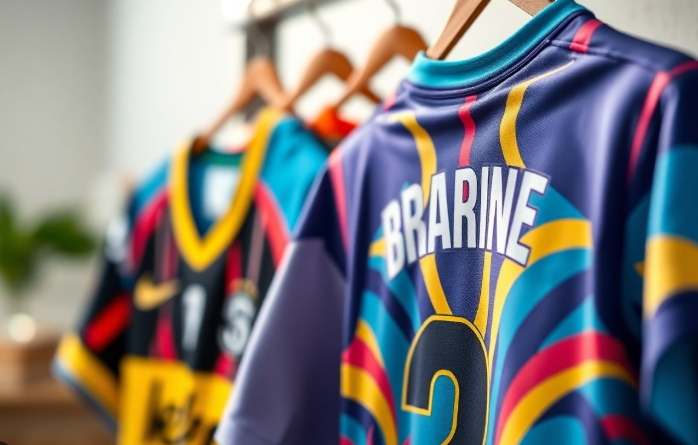
With AI design tools, anyone can create a dream jersey in seconds, from a high school coach to a loyal fan. You just enter your colors, jersey type, and logo. An AI system then creates a digital mock-up that you can tweak as much as you want. These platforms support all kinds of sports, including soccer, basketball, hockey, and baseball. I like that you can upload your own art, pick from many templates, and create a unique look at no cost.
3D Customization Tools
I believe 3D customization tools are incredibly powerful. Imagine watching your jersey spin on screen while you change colors, fonts, or sponsor logos in real time. You can view it from every angle and zoom in to understand what you’re getting. I suggest this for teams and organizations. You can finalize a design in less than 5 minutes. You will feel confident that the final product will look just like the online preview. This helps prevent production errors and speeds up approvals.
Classic Jersey Production Techniques
– Heat Transfer Vinyl (HTV): I recommend HTV for small orders or for adding custom details like player names and numbers. It’s quick, affordable, and ideal for one-off or small-batch orders. The main trade-off is that it’s a bit heavier and may show wear faster than other methods over time.
– Screen Printing: I suggest this as your main choice for getting bright, brand-accurate colors that last. It is the best option for bulk orders for tournaments, leagues, or large events. The setup takes a bit more time, so I feel it’s less suited for single items or very complex jobs. However, the results are high-quality and work well with digital design files.
Turning Your Custom Jersey Concept Into a Best-Seller
Creative Concept & Jersey Design
The process starts with the main concept. I advise you to brainstorm the key elements:
– Team colors and main themes
– Logos, mascots, and fonts that identify the group
– Jersey purpose: Is it for high school soccer, a weekend basketball league, or a corporate charity run?
Your first sketches should show the team’s identity. I think it is wise to keep them flexible for future changes. I recommend you mark spots for player names, numbers, and slogans. These are the details that make a product memorable and boost your brand’s impact.
Smart Material Selection
Modern polyester blends are great for most sports. They are lightweight, comfortable, and wick away moisture. But you should consider the climate and intensity of play:
– For summer or fast-paced indoor sports: I suggest you choose breathable, smooth tech fabrics.
– For colder seasons or rougher games: You might consider heavier blends.
It is important to ensure the fabric works with your customization method. Sublimation printing needs smooth, white polyester for the best color pop. Embroidery works best on a heavier material.
Personalization Power: Make Every Jersey Unique
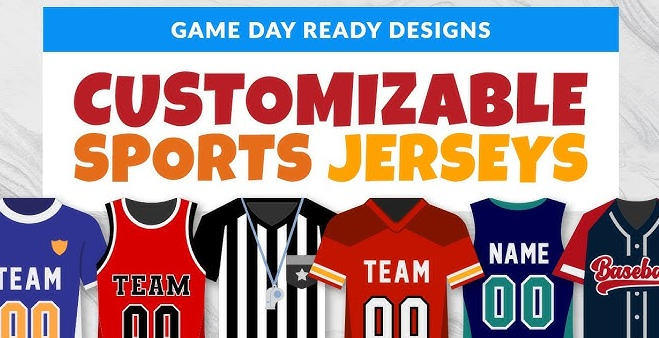
Customization is what sells. You are doing more than printing numbers. Today, my customers want:
– Bold player names and numbers
– Motivational slogans on collars or hems
– Gradients, stripes, or all-over graphics for their team
The Bulletproof Workflow: From Idea to Winning Product
Confirm the Mockup: Finalize every design detail with the customer, like colors and graphics placement. I believe you should never skip this step. It prevents expensive mistakes down the line.
Prepare a Detailed Tech Pack: Document everything: measurements, logo specs, print locations, and Pantone color codes. This spec sheet must go with every jersey into production.
Produce a Prototype: I always ask for a physical sample before starting mass production. Some of the best factories offer in-person color approval for total accuracy. I test for: Fit and comfort, Color accuracy and vibrancy, Logo placement and clarity, Stitching and overall construction.
Rigorous Testing: Wash it, wear it, and stretch your sample. Look for print fading, seam strength, and other trouble spots. In my opinion, you cannot skip this stage if you want repeat business.
Sales and Marketing Strategies That Drive Profits
Social Media Marketing That Converts
I suggest you stop posting boring product photos. Instead, use exciting, high-quality action shots of real teams wearing your jerseys. Let’s look at how to use Instagram, Facebook, and Twitter effectively:
– Post consistently. Use hashtags for current games or seasons like #CustomJersey and #TeamSpirit.
– I recommend running targeted ads with Facebook Pixel and Instagram retargeting. These tools have proven their worth. They brought in 2.5x more new customers than old-school ads in the last two years.
– Engage with your audience. Respond to comments, share stories from your customers, and host live Q&A sessions. This makes your business feel more human and builds trust.
Content and Community Engagement
– I recommend you release new videos, blog posts, and stories just before big sports seasons start. You can also time them with local tournament weekends.
– Try referral programs. They can increase apparel sales by up to 20%. Also, run contests connected to big events, like a “Best Fan Design” contest during the playoffs.
– For example, you could run a photo contest for teams that wear your jerseys. Ask them to tag your business. Feature the winners on your page to get free promotion and new followers.
User-Generated Content and Social Proof
In my opinion, customer trust is your most powerful asset. People trust other customers far more than any paid advertisement.
– Repost team photos, reviews, and testimonials on all your platforms.
– You can share customer stories in your newsletters, like a team’s championship win or a touching moment.
– Tag teams in your posts and ask them to tag you back. This expands your reach.

Related Reading: Who Makes Argentina Rugby Jerseys? Inside Le Coq Sportif Design Process
Conclusion
Looking at this exciting industry from where I stand today, I see incredible opportunities ahead. The sports jersey market isn’t just growing – it’s transforming through technology and personalization. I believe success comes from understanding your customers deeply, building authentic relationships, and delivering quality consistently. Whether you’re just starting out or scaling up, remember that every jersey tells a story. Your job is to help teams and fans tell theirs in the most compelling way possible.
To learn more about reliable custom jersey manufacturer, wholesale custom jersey supplier and bespoke jersey maker, please visit Ballsjersey or [email protected] to contact us.