Whether you’re customizing team jerseys, designing corporate uniforms, or creating exclusive jersey line for your brand, bringing logos, colors, and brand identity to life is often crucial. As a professional custom jersey manufacturer, we’re often asked: should we choose embroidery or sublimation?
Both processes have their advantages, but the choice depends on your needs. Do you want a classic, timeless look? Or do you prefer a bold, colorful design that flows with the fabric, perfect for high-energy sports or modern styles? Over the years, we’ve witnessed the performance of both processes firsthand—from the durability of embroidered logos on vintage jerseys to the vibrant, all-over prints on professional sports gear.
In this guide, we’ll break down the key differences between embroidery and sublimation to help you find the best custom printing solution for your team’s jerseys. Let’s take a look.
Key Comparison Table: Embroidery vs. Sublimation Features
|
Feature |
Embroidery |
Sublimation |
|---|---|---|
|
Durability |
It’s very tough. I find that stitched logos hold their shape, even after washing them hundreds of times. |
The designs become part of the fabric. I’ve seen them handle 1,000+ washes with colors that hardly fade. |
|
Look & Feel |
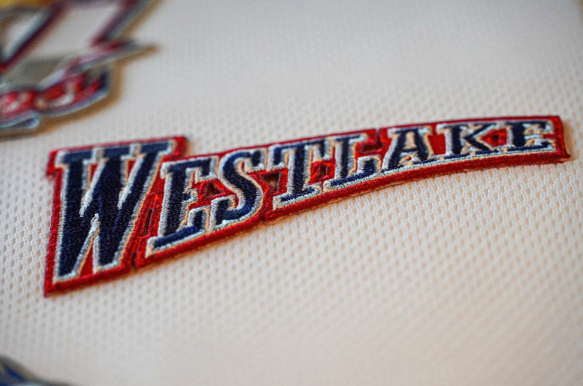
It has a 3D textured finish. I think it looks classic and elevated. |
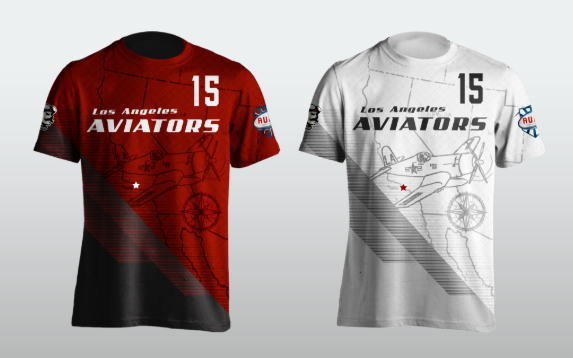
It’s sleek and smooth. The feel is flat, which I find great for modern full-print art. |
|
Design Detail |
I suggest this for simple crests or bold logos. It’s limited to 6–15 colors, and small details can get lost. |
I use this for photo prints, fine text, and full-color graphics. You have no color limits. |
|
Fabric Options |
It works on cotton, blends, and heavier twills. |
This requires polyester fabric like poly-knit or poly-mesh. |
|
Design Placement |
I think it looks best on small or medium spots, like badges or the left chest. |
There are no size limits. You can do wraparound prints from sleeve to sleeve. |
|
Texture |
It has a raised, quality feel. People notice it right away. |
The design is part of the fabric, so it’s flexible with no bulk. |
|
Production Time |
It’s slower for big, complex logos because of manual work. It is quick for small runs. |
This is much faster for detailed or large orders. |
|
Cost |
The cost is higher for large or multi-color graphics. Simple logos cost less for each item. |
It’s a good value for large, full-color orders. The cost per item drops a lot with bigger batches. |
|
Care |
It can handle heavy-duty washes and ironing. You should be careful about snagging. |
It lasts longest with cool washes and low-heat drying. I suggest you avoid high heat to protect the color. |
|
Best Use Cases |
I suggest it for corporate polos, team badges, custom retro jerseys, custom baseball jersey |
For custom sports jerseys, basketball jersey, and activewear. It’s also perfect for all-over sponsor prints. |
Real Example
-As a experienced jersey maker, we often encounter clients struggling with fabric selection. For example, a corporate client insists on using pure cotton for a team polo shirt. In this case, we recommend embroidery (rather than sublimation) and offer a 30% cotton + 70% polyester blend to balance quality and cost.
Embroidery vs. Sublimation: Which Lasts Longer?
Pros & Cons of Embroidery for Jerseys
Pros
I love the professional look: The raised stitches give every logo and name a high-quality feel. There is a sense of tradition to it. It makes you feel like you are wearing something important.
You can add personal details: It is not just about strength. You can add individual numbers and names. I believe this personal touch makes jerseys feel special for players and their supporters.
It works on many fabrics: Embroidery works well on cotton and polyester. I find it is a great choice for thicker materials like jackets, hats, and classic baseball jerseys. Teams like it for that timeless look on tougher gear.
Cons
Higher price
The craftsmanship is beautiful, but it does cost more. You can expect embroidered jerseys to run 20–50% more than printed ones. This is because they take more manual work and machine time.
It takes longer to make
Complex designs may take extra days to finish. If you need a team order in a rush for a big event, I’d suggest a different method. Embroidery can slow you down.
Limits on detail
You cannot get detailed gradients or photo-like images with embroidery. For that, printing is better. I suggest you use bold, simple color blocks and clean lines. Tiny letters or very fine details often do not stitch well.
Adds bulk and weight
More stitching means more weight. On light, stretchy athletic fabrics, a jersey can feel bulkier and less comfortable. This is a point to consider if you want a lightweight, high-performance fit.
Less comfortable:
A lot of embroidery on thin material can make it pucker or feel stiff. It might even irritate your skin during a game. I think this is important for teams that need speed and flexibility.
Pros & Cons of Sublimation for Jerseys
Pros
Unlimited Design Options
Sublimation lets you be creative. You can use large photo-like graphics, detailed patterns, or fun color gradients. It’s a great way to make each player’s jersey unique. You don’t pay extra for more colors or complex designs. I like that you can add names, numbers, and sponsor logos without extra costs or long setup times. This makes it easy for groups that want custom gear without any trouble.
Comfortable and High-Performing
In my opinion, sublimated jerseys feel great. They are lightweight, breathable, and stretchy. The printing process doesn’t change the fabric’s ability to wick away moisture. This helps everyone stay cool and comfortable. I suggest this method for athletes who need top performance on hot fields or in crowded gyms.
Good for Your Budget on Custom Orders
I find sublimation is a smart choice for small teams or youth clubs. It’s also great if you just need a few jerseys. You can avoid large setup fees. You can order a small number, or even just one jersey. You won’t pay the high prices that come with screen printing or embroidery.
Cons
Works Best on Polyester
Sublimation is not for you if you prefer cotton or other classic fabrics. It doesn’t work on natural fibers. Even blended fabrics need a high polyester content. This reduces your fabric choices. It could also mean paying more for special polyester jerseys than for standard ones.
Not Ideal for Dark Jerseys
From what I’ve seen, sublimation looks best on white or light-colored shirts. The inks are see-through. On dark shirts, the colors look muddy. You won’t get a sharp design on a navy or black jersey. I suggest another printing method if your team uses dark colors.
A Few Technical Limits
You have many color options, but there are some limits. You cannot print pure white or shiny metallic colors. For your design, any area that should be white will just show the shirt’s original color.
Higher Material Costs Are Possible
For small orders or custom cuts, special polyester jerseys for sublimation can cost more. They may be pricier than cotton or blended shirts. You also will need the right gear. This includes a professional dye-sublimation printer and a heat press.

Related Reading: Top 12 Most Popular NFL Jerseys of All Time: Iconic Designs
Cost-Effectiveness: Embroidery vs. Sublimation for Jerseys
Breaking Down Initial and Ongoing Costs
-
I recommend Sublimation for bold, colorful, or full-jersey designs. The initial equipment setup is about $2,500. I find this price reasonable if you plan to print many jerseys. While ink and paper costs increase with your order size, the price per jersey drops a lot for large batches with big graphics.
-
Embroidery has a higher starting price. This price isn’t just based on how many you order. The cost per logo tends to stay the same, whether you use one or fifteen thread colors. Fifteen colors is often the limit before you see extra charges. More thread or detail will increase the cost. Large or complex logos can make embroidery expensive. From what I’ve seen, customers will pay extra for the classic 3D stitched look, but you have to be sure it’s the look you want.
How Order Size and Design Affect the Bottom Line
-
With sublimation, you get discounts for larger orders. Ordering more jerseys means a lower price for each one. I’ve seen the price for full-jersey, colorful designs drop to $2–$4 per item when you order 100 or more. This is a great savings for teams on a budget.
-
Embroidery is a good value for small designs. A simple one-color logo on the chest can be priced well. I see these jobs run about $5–$8 each. If you want to cover the entire shirt, the cost goes up quickly. In that case, I’d say sublimation is the smarter choice for both price and design freedom.
As a custom jersey maker, we’ve found that the cost advantage of thermal sublimation is particularly pronounced in orders of 50 or more pieces: the unit price of 100 full-color jerseys can be 40% lower than embroidery. However, for smaller batches, simple embroidery is more cost-effective—this is also the core reference logic when we quote to customers.”
Applicable Scenarios: Choose the Right Customization
Embroidery
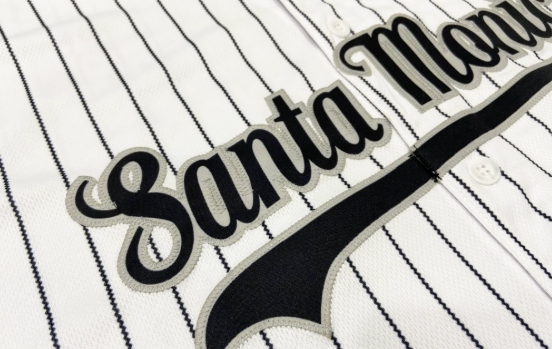
For a premium, professional look, I find embroidery is unbeatable. I suggest this for a classic logo, team crest, or small company brand. It feels durable and stands out on heavier jerseys or polos. I think it’s perfect if you are outfitting coaching staff or preparing for a corporate tournament.
Example “For custom-made corporate polo jerseys for tech companies, we often use embroidery to display our logos. A small 4cm badge on the left chest with a simple font evokes a business-like aesthetic while also withstanding the frequent daily wear and washing of employees. This is the ‘classic’ approach we, as a reliable custom jersey manufacturer, recommend.”
Sublimation
If you want color, comfort, and creative freedom, I think sublimation is a game changer. This process is perfect for polyester and synthetic blends. I recommend it for basketball, soccer, cycling, or running jerseys. It’s ideal for any sport where being lightweight and breathable is key. If you have a tight deadline, you can get sublimated gear made and shipped in just 1–2 days.
Perfect for: Use it for full-jersey art, team names, numbers, and sponsor logos. This makes them bold and visible across the entire jersey.

Related Reading: Top 5 Basketball Jersey Manufacturers In China
How to Care for Your Custom Jerseys
Caring for Your Embroidered Jerseys
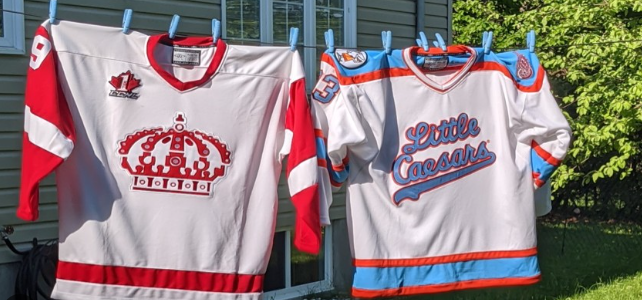
Easy Washing: You can toss embroidered jerseys into the washing machine on a standard cycle. The stitched threads are durable, so the design stays strong even after many washes.
Watch for Snags: Embroidery holds up well in laundry. It can, however, catch on things like zippers, jewelry, or rough surfaces. Pulled threads or breaks are often from accidents, not regular wear.
Ironing with Care: Most embroidery is not bothered by heat. I suggest you avoid placing a very hot iron right on the detailed areas. Use a medium heat setting, or press the jersey from the inside.
Drying: Embroidered jerseys can be tumble-dried. I recommend using a gentle cycle. This keeps the fabric and the stitching looking fresher for longer.
Taking Care of Sublimated Jerseys
Gentle Machine Washing: I recommend using cool or warm water. High heat and harsh soaps can make bright colors fade faster than you might expect.
No Cracking or Peeling: The design is part of the fabric. No matter how you stretch or move, the image will never flake off.
Ironing Rules: Do not press a hot iron on the design. Flip the jersey inside-out first. You can also use a pressing cloth. High heat can destroy the look in seconds.
Low Heat for Drying: You should use a low tumble setting or let it air dry. From my experience, hot dryers damage sublimation. They make the colors fade with every wash cycle.
Conclusion
Looking back on my experience with both methods, I’ve learned that the choice isn’t really about which is better—it’s about what fits your team’s jersey customized needs. I’ve seen embroidery create lasting memories on championship jackets that players treasure for decades, while sublimation has given teams the freedom to express their unique identity with vibrant, comfortable designs.
Whether you need custom sublimate rugby jerseys, wholesale sublimated jerseys and embroidery baseball jersey customized, as a custom jersey maker, we can offer tailored solutions – from fabric recommendations and design optimization to expedited production – to help you avoid technical pitfalls and ensure your custom jerseys are both as designed and durable.
Learn more please visit Ballsjersey or [email protected] to contact us.